Blog

All Benton Chevrolet Dealer Service 2026 benton jeeps 2025 Oil 2025 Jeep Grand Cherokee 2026 Equinox 2026 Jeep Wrangler 2026 Silverado 1500 Battery Benton Chevrolet Service Benton Used Cars Black Widow Engine Belts RAM 1500 Tires
Engine Belts: What Every Driver Should Know

Engine Belts: What Every Driver Should Know

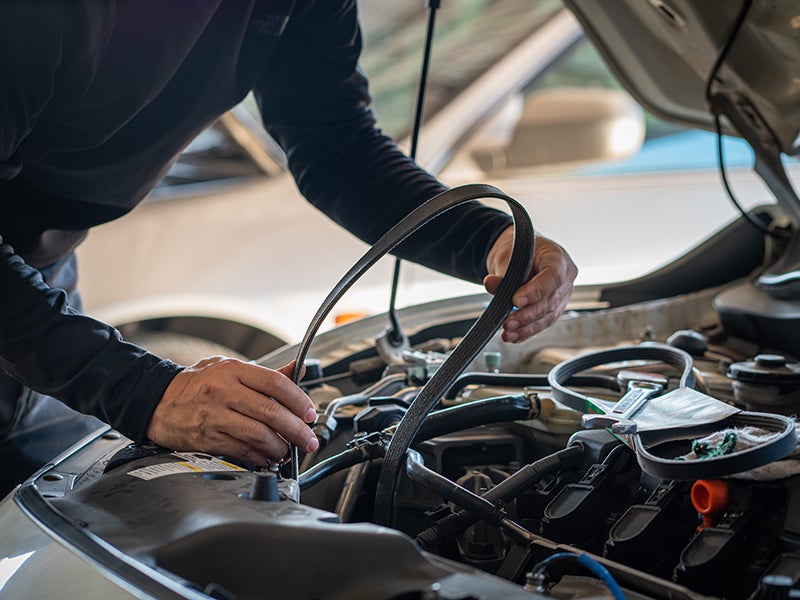
Engine Belts: What They Are, What They Do, and When to Replace Them Strange squealing noises or a sudden dashboard warning light can quickly ruin your daily drive. Engine belts keep your car running smoothly by doing the heavy lifting every time you start the ignition, and a failing belt causes serious problems fast. Read on for a clear guide to engine belts, or reach out to our team at Weeks in Benton Automotive Group in Benton, IL for more information and expert vehicle care. What Are Engine Belts and Why Do They Matter Engine belts are durable rubber loops that transfer power from the engine's crankshaft to other vital components. They drive your alternator, power steering pump, air conditioning compressor, and water pump. Understanding how these parts function helps you keep your car in peak condition. The Serpentine Belt Modern vehicles rely on the serpentine belt to power several accessories at once. This continuous belt snakes around multiple pulleys to run the alternator, air conditioning compressor, and power steering pump simultaneously. Because it powers so many systems, a failing serpentine belt disables multiple components at once. Manufacturers generally recommend replacing it every 60,000 to 100,000 miles, though your owner's manual lists your vehicle's exact interval. The Timing Belt The timing belt synchronizes the rotation of the crankshaft and camshaft so your engine's valves open and close at the exact right moments. If a timing belt breaks while you drive, it causes severe engine damage. Some cars use a longer-lasting timing chain, but if your vehicle uses a timing belt, you must follow the manufacturer's replacement schedule of every 60,000 to 105,000 miles. How to Tell if Something Is Wrong With Your Engine Belts Spotting the warning signs of a worn engine belt saves you from sudden breakdowns. A high-pitched squealing or chirping noise from the front of the car often points to a worn serpentine belt. You might also notice an illuminated battery warning light, heavy steering, or an overheating engine. Visible cracking, fraying, or glazing on the belt surface also require prompt attention. Drivers in Benton, IL should act fast when these symptoms appear, as a minor squeak can quickly escalate. What Maintenance Do Engine Belts Need Routine inspection is the best maintenance for your engine belts. During regular oil changes, a technician checks the belts for cracks, wear, glazing, and proper tension. Technicians also verify pulley alignment, since misalignment accelerates wear. Replacing a belt proactively as it approaches its recommended mileage interval prevents unexpected roadside failures. Visit Weeks in Benton Automotive Group for Belt Service If you need a routine inspection or hear an unusual noise from your engine bay, the certified technicians at Weeks in Benton Automotive Group in Benton, IL can help. Proactive belt maintenance protects your vehicle and prevents expensive repairs. Stop by our dealership or schedule your service appointment online to keep your car running reliably.

Car Batteries: What Happens Between Turning the Key and Starting the Engine

Car Battery: What It Is & When to Replace It

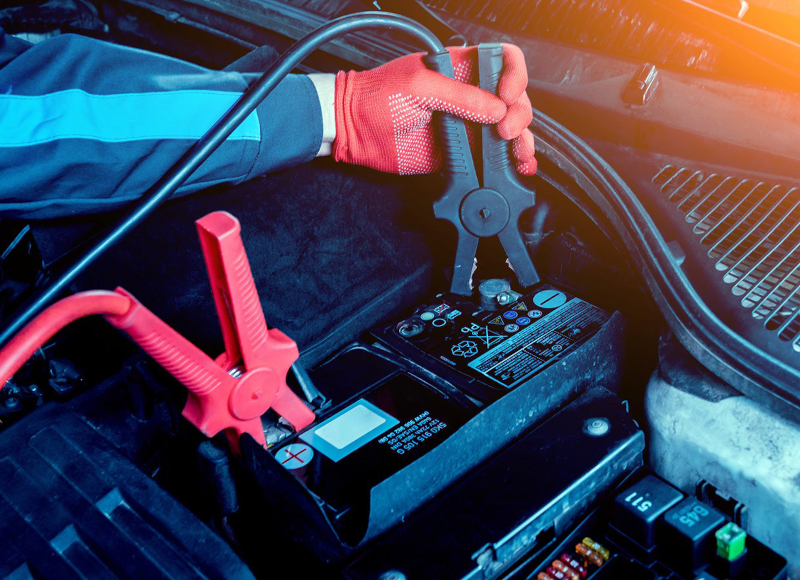
Car Batteries: What Happens Between Turning the Key and Starting the Engine A healthy car battery doesn't give you much reason to think about it. Turn the key or press the start button and the engine starts, just as it did yesterday. It's only when the starter begins turning more slowly—or doesn't turn at all—that the battery suddenly becomes interesting. Understanding the basics, and arranging battery testing when performance begins to decline, can help Benton, IL, drivers catch trouble before the car simply refuses to leave. A Battery Stores Energy Until the Car Asks for It Most conventional vehicles use a rechargeable lead-acid battery containing lead plates and an electrolyte solution. The chemical reaction inside produces the electrical current the vehicle needs. Batteries are also rated for cold cranking amps, which indicate their ability to provide starting current at low temperatures. That's relevant when winter arrives and an aging battery is being asked to start a cold engine. The correct replacement battery needs to meet the requirements of the vehicle, so a parts department or professional service center can help identify the appropriate unit rather than choosing one based solely on dimensions. The Starting-and-Charging Cycle Happens Thousands of Times Every start draws stored electrical energy from the battery. Once the engine is operating, the alternator replenishes that energy so the battery is ready for the next start. Repeat that process over several years and the battery eventually loses some of its ability to hold and deliver a charge. Many conventional batteries last roughly 3 to 5 years, although climate, driving patterns, battery type, and other conditions influence service life. Routine maintenance visits provide convenient opportunities for a battery inspection. Drivers near Benton scheduling an oil change, tire rotation, Multi-Point Vehicle Inspection, or seasonal maintenance can have the battery checked at the same time. A Tired Battery Often Gives You Some Warning Slow cranking is one of the classic symptoms. Turn the key and, instead of the engine spinning briskly, everything sounds reluctant. Dimming headlights or interior lighting can provide another clue, while a battery warning indicator means the electrical or charging system needs attention. Frequent jump-starts, a swollen battery case, or an unusual sulfur-like odor around the battery also deserve professional inspection. Cold-weather starting trouble can expose declining battery performance as well. These symptoms don't all prove the battery itself has failed, so professional battery testing and electrical diagnostics are more useful than replacing components based on suspicion. Testing Tells You More Than the Calendar Can Battery age is worth knowing, but condition is more useful. If a battery has been installed for several years, having it tested can show how well it is performing before a failure occurs. A service technician can inspect the battery and connections, evaluate its condition, and determine if battery replacement or additional charging-system diagnosis is appropriate. If replacement is needed, the parts department can identify a battery suited to the vehicle's specifications. Drivers planning upcoming maintenance can also review available service specials before scheduling battery service or combining the inspection with other recommended work. Have the Battery Checked Before Winter Checks It for You Illinois weather provides enough challenges without adding a vehicle that won't start. Weeks in Benton Automotive Group serves Benton, IL, drivers with battery inspections, battery testing, battery replacement, electrical-system diagnosis, and other routine vehicle maintenance services. If your vehicle has started cranking slowly, behaving strangely electrically, or relying on a battery that's several years old, schedule a service appointment online and find out how it's performing before the next turn of the key.

Oil Light On? Here's What Every Driver Should Know 

Oil Light On? Here's What Every Driver Should Know

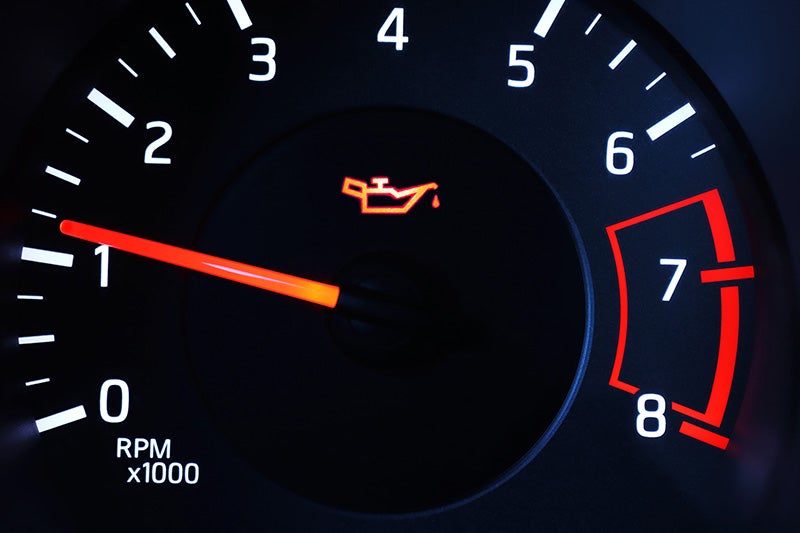
When your oil light on your dashboard suddenly goes on, it can feel alarming - and for good reason. This warning light is your vehicle's way of signaling that something in the engine's lubrication system needs attention. It does not always mean a catastrophe is unfolding, but it should never be ignored. Understanding what the light means is the first step toward protecting your engine when you're driving around Benton, Ill. The oil pressure warning light specifically indicates that your engine's oil pressure has dropped below a safe level. This is different from a simple low oil level notification, though both situations are serious and require prompt action. Steps to Take When Your Oil Light Comes On When the oil light on your dashboard activates while you're driving, follow these steps immediately. First, find a safe place to pull over as soon as possible. Do not continue driving at highway speeds with the light on. Once stopped, turn off the engine and wait a few minutes before checking the oil level using the dipstick. If the oil level is low, adding the correct oil type may resolve the issue temporarily. However, you should still have your vehicle inspected by a qualified technician as soon as possible to determine why the oil was low in the first place. If the oil level appears normal, but the light remains on, do not drive the vehicle. Call for a tow rather than risk serious engine damage. Can Service Wait, or Does It Need Immediate Attention? This is one of the most common questions drivers ask, and the honest answer is: it depends on the situation. If the oil light came on and your oil level is critically low or your pressure is dropping, this requires immediate attention - not a scheduled appointment a few days out. Driving with low oil pressure, even for a short distance, can cause irreversible engine damage. Metal components that rely on lubrication can grind against each other, leading to costly repairs or full engine failure. If you are unsure whether your situation is urgent, err on the side of caution and avoid driving until the vehicle has been inspected. Minor oil-related concerns, such as a slow leak identified during a routine check, may allow slightly more flexibility in scheduling - but these should still be addressed within a short window of time. Common Problems That Can Trigger the Oil Light Another frequently asked question is what actually causes the oil light to come on. There are several possibilities. Low oil level is the most common culprit, often caused by a leak or burning oil over time. A faulty oil pump can also trigger the light by failing to maintain adequate pressure throughout the engine. A clogged oil filter, worn engine bearings, or an oil pressure sensor that has malfunctioned are additional causes worth investigating. In some cases, the issue may be as straightforward as needing an oil change that is overdue. Regardless of the underlying cause, each of these scenarios warrants a professional inspection to properly diagnose and resolve the problem before it escalates. Visit Us in Benton, IL If your oil light on your dashboard has come on and you are looking for trustworthy service, the team at Weeks in Benton Automotive Group is ready to help. Serving drivers throughout Benton, IL, we are here to diagnose the issue quickly and get you back on the road safely. Stop in or schedule your service appointment online today.

Car Tires and Wheels FAQ: How Every Component Works, Common Problems, and Proper Maintenance

Car Tires and Wheels FAQ: How Every Component Works, Common Problems, and Proper Maintenance

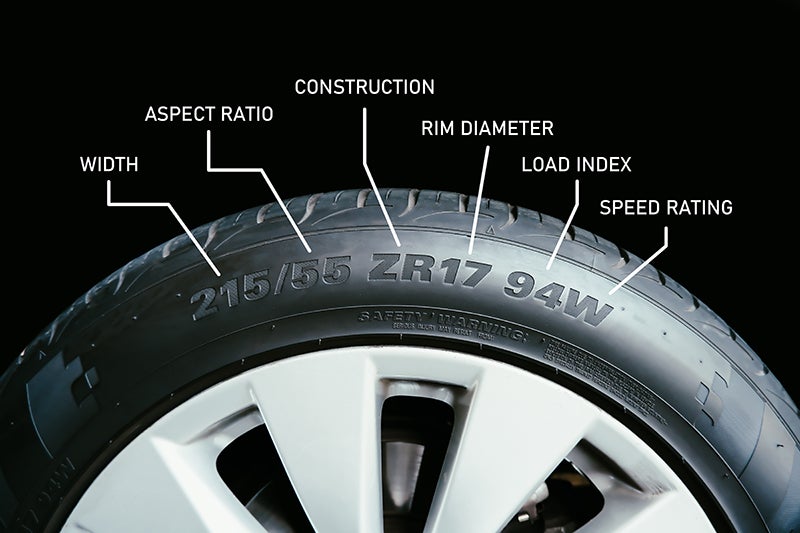
Understanding how your vehicle’s tires and wheels work is essential for safe driving, better handling, and long-term vehicle performance. While many drivers focus only on tire tread and air pressure, the entire wheel and tire assembly is made up of several interconnected components that work together every time your vehicle accelerates, brakes, turns, and travels down the road. At Weeks of Benton in Benton, IL, we know that properly maintained tires and wheels play an important role in your vehicle’s overall operation. From the tire bead that creates an airtight seal to the wheel hub that connects the assembly to your vehicle, every component serves a specific purpose. This detailed FAQ explains how tire and wheel parts work, what issues can develop, and how regular maintenance can help keep your vehicle performing properly. Frequently Asked Questions About Car Tires and Wheels How Do Tires and Wheels Work Together? A vehicle’s tire and wheel assembly is designed to support the vehicle’s weight, absorb road impacts, maintain traction, and transfer power from the engine to the pavement. The wheel provides the rigid structure that mounts to the vehicle, while the tire creates the contact surface between your vehicle and the road. When a tire is properly mounted, the tire bead locks securely onto the wheel rim. Air pressure inside the tire pushes outward against the tire structure, allowing it to maintain its shape and carry the vehicle’s load. The wheel then transfers forces through the hub, wheel bearings, and suspension components. A properly functioning tire and wheel system helps provide: Improved steering control and handling Reliable braking performance Better fuel efficiency Reduced vibration while driving Increased tire lifespan Enhanced ride comfort What Are the Main Parts of a Tire? A tire is made up of multiple layers and components that work together to provide durability, flexibility, and traction. Each section has an important role in maintaining performance. Tire Tread The tire tread is the outer portion of the tire that contacts the road surface. The tread pattern is designed to move water away from the tire, improve traction, and provide stability in different driving conditions. Common tread problems include: Uneven wear caused by poor alignment or improper inflation Excessive wear from high mileage Cracking caused by age and weather exposure Reduced traction when tread depth becomes too low Regular tire inspections help identify tread problems before they affect driving safety. Tire Sidewall The sidewall is the area between the tread and the wheel rim. It provides structural support while allowing the tire to flex during normal driving. The sidewall contains important information, including: Tire size Load rating Speed rating Manufacturer information Recommended specifications Sidewall damage can be serious because this area supports much of the tire’s structural integrity. Cuts, bubbles, cracks, or punctures on the sidewall should always be inspected. Tire Bead The tire bead is the reinforced edge of the tire that sits against the wheel rim. It contains strong steel wires that help secure the tire to the wheel. The bead is responsible for: Creating an airtight seal Keeping the tire mounted during driving Maintaining proper positioning on the wheel Problems with the tire bead can result in air leaks, poor tire seating, or tire separation. Tire Belts and Internal Layers Inside the tire are several layers designed to provide strength and stability. Steel belts help reinforce the tread area, while fabric layers help maintain the tire’s shape. These internal components help with: Improved handling Reduced tread movement Better durability Increased resistance to road impacts Internal tire damage may not always be visible, which is why professional inspections are important after major impacts. What Are the Different Parts of a Wheel? The wheel is more than just the visible metal component behind your tire. It includes several parts that work together to attach the tire assembly to your vehicle. Wheel Rim The rim is the outer structure of the wheel where the tire mounts. It supports the tire bead and helps maintain the tire’s shape. Wheel damage can occur from: Pothole impacts Road debris Accidents Corrosion Improper installation A bent rim can create vibrations, air leaks, and uneven tire wear. Wheel Spokes Spokes connect the outer rim area to the center portion of the wheel. They provide structural support while allowing manufacturers to design different wheel styles and appearances. Damaged or cracked spokes can weaken the wheel structure and should be inspected immediately. Common spoke issues include: Cracks from impacts Corrosion around attachment points Damage from improper wheel installation Wheel Hub The wheel hub is the central component that connects the wheel assembly to the vehicle. It allows the wheel to rotate smoothly while attaching securely to the suspension system. The hub works with: Wheel bearings Axle components Brake components Wheel studs A damaged wheel hub can create noise, vibration, steering concerns, or uneven tire wear. Wheel Bearings Wheel bearings allow the wheel and hub assembly to rotate smoothly with minimal friction. They support vehicle weight while handling forces created during acceleration, braking, and turning. Signs of wheel bearing problems may include: Humming or grinding noises Steering looseness Uneven tire wear Vibration while driving Ignoring worn wheel bearings can lead to additional suspension and wheel-related problems. What Are Lug Nuts and Wheel Studs? Lug nuts and wheel studs secure the wheel to the vehicle. They create the clamping force needed to keep the wheel properly attached while driving. Lug Nuts Lug nuts thread onto wheel studs and hold the wheel firmly against the hub. Proper lug nut maintenance includes: Checking for proper torque Inspecting for damaged threads Replacing worn or damaged lug nuts Ensuring all lug nuts are installed correctly Loose lug nuts can cause wheel movement, vibration, and serious safety concerns. Wheel Studs Wheel studs are threaded metal components attached to the vehicle hub. Lug nuts tighten onto these studs to secure the wheel. Wheel stud problems can include: Stripped threads Broken studs Corrosion Improper installation damage A damaged wheel stud should be repaired before reinstalling the wheel. What Is a Valve Stem and Why Is It Important? The valve stem allows air to enter and exit the tire. It includes a valve core that controls airflow and helps maintain proper tire pressure. Valve stem problems may cause: Slow air leaks Low tire pressure warnings Difficulty maintaining inflation Tire performance issues Rubber valve stems can deteriorate over time due to weather exposure. Many tire professionals recommend inspecting or replacing valve stems during tire service. What Is a TPMS Sensor? A Tire Pressure Monitoring System (TPMS) sensor monitors tire pressure and alerts drivers when inflation levels become too low. A TPMS system helps drivers: Maintain proper tire pressure Reduce unnecessary tire wear Improve fuel efficiency Identify potential tire issues TPMS sensors may require replacement when batteries fail or when the sensor becomes damaged. How Does Tire Pressure Affect Vehicle Performance? Proper tire pressure is one of the most important parts of tire maintenance. Underinflated or overinflated tires can affect handling, comfort, and tire lifespan. Incorrect tire pressure can lead to: Faster tread wear Reduced traction Poor fuel economy Increased heat buildup Uneven tire wear Drivers should check tire pressure regularly and follow the manufacturer’s recommended specifications. What Causes Uneven Tire Wear? Uneven tire wear often indicates an issue with tire maintenance, alignment, suspension components, or inflation. Common wear patterns include: Center wear: Often caused by overinflation Outer edge wear: Often caused by underinflation One-sided wear: Often related to alignment issues Cupping or scalloping: May indicate suspension or balance problems Regular tire rotations, inspections, and wheel alignments help promote even wear. Why Is Wheel Alignment Important? Wheel alignment adjusts the angle of the wheels so they meet the road correctly. Proper alignment improves handling and helps tires wear evenly. Signs your vehicle may need an alignment include: Vehicle pulling to one side Steering wheel vibration Uneven tire wear Steering wheel not returning properly after turns Alignment issues can develop from potholes, collisions, worn suspension components, or normal driving conditions. What Is Tire Balancing? Tire balancing ensures the weight of the tire and wheel assembly is evenly distributed. Small weights are attached to the wheel to correct imbalances. Proper tire balancing helps reduce: Steering wheel vibration Uneven tire wear Excess stress on suspension components Irregular tire performance A vehicle may need tire balancing after installing new tires, repairing a tire, or noticing vibration at certain speeds. How Often Should Tires and Wheels Be Maintained? Regular maintenance helps identify problems early and extends the life of your tire and wheel components. Important maintenance services include: Checking tire pressure regularly Rotating tires according to manufacturer recommendations Inspecting tread depth Checking wheel alignment Balancing tires when needed Inspecting valve stems and TPMS sensors Checking lug nut torque after wheel installation Inspecting wheels for cracks or damage What Can Damage Tires and Wheels? Tires and wheels experience constant exposure to road conditions, weather, and driving forces. Several issues can affect their performance. Common causes of damage include: Potholes and road impacts Improper tire pressure Road debris Extreme temperatures Lack of maintenance Incorrect installation Worn suspension components Routine inspections can help identify these concerns before they become larger repairs. How Can Drivers Extend the Life of Their Tires and Wheels? Proper care can help maintain reliable performance and prevent premature replacement. Drivers can protect their tires and wheels by: Maintaining recommended tire pressure Avoiding harsh impacts when possible Scheduling regular tire rotations Keeping wheels clean to prevent corrosion Addressing vibrations or noises quickly Having tires inspected professionally Schedule Tire and Wheel Service at Weeks of Benton Your tires and wheels are essential safety components that affect every mile you drive. Understanding how each part works, from the tire bead and valve stem to the wheel hub and lug nuts, helps you recognize potential issues and maintain your vehicle properly. Weeks of Benton in Benton, IL, provides professional automotive service to help drivers keep their vehicles operating smoothly. Whether you need a tire inspection, wheel service, balancing, alignment, or routine maintenance, our team is ready to assist with your vehicle’s needs. Schedule service for your vehicle today.


Willys vs Rubicon: A Detailed Look at the 2026 Jeep Wrangler 

Willys vs Rubicon: A Detailed Look at the 2026 Jeep Wrangler

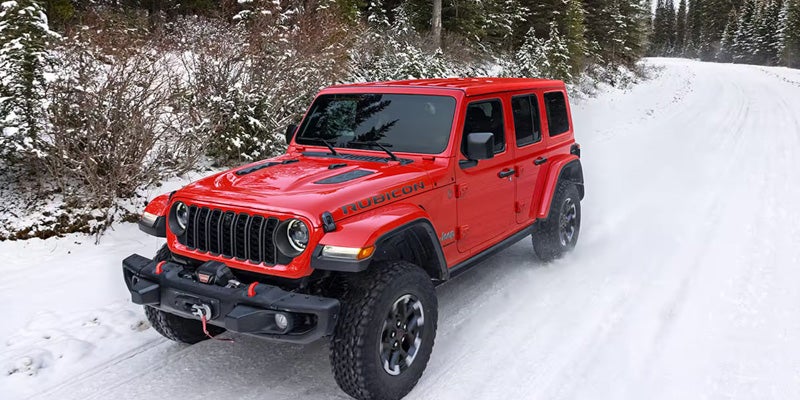
When evaluating the 2026 Jeep Wrangler at Weeks in Benton Automotive Group in Benton, IL, 2 specific trims consistently lead the discussion. The Willys and the Rubicon trims offer diverse equipment packages for off-road drivers. Understanding the specific mechanical differences between these 2 options will help you make a logical decision for your next purchase. Reach out to our team to request more details about these capable vehicles. The 2026 Jeep Wrangler Willys The 2026 Jeep Wrangler Willys utilizes a factory suspension lift over the base Sport model, which provides increased ground clearance for uneven surfaces. It features 17" wheels wrapped in 33" all-terrain tires, alongside steel rock rails for exterior body protection. Drivers can select the standard 2.0L turbocharged 4-cylinder engine that generates 270 hp and 295 lb-ft of torque. Alternatively, buyers can choose the 3.6L V6 engine, producing 285 hp and 260 lb-ft of torque. Inside the cabin, the Willys includes a 12.3" touch screen display featuring Apple CarPlay© and Android Auto© integration. The 2026 Jeep Wrangler Rubicon The 2026 Jeep Wrangler Rubicon is engineered for demanding off-road conditions. It comes standard with locking front and rear axles to ensure maximum traction on loose terrain. A disconnecting front sway bar allows for significantly increased suspension travel and wheel articulation. The Rubicon features heavy-duty Dana 44 axles, 17" wheels, and 33" all-terrain tires. Drivers looking for maximum performance can also look at the elevated Rubicon X trim, which offers 35" tires for even greater clearance. The Rock-Trac 4-wheel drive system has a low crawl ratio, improving slow-speed control over obstacles. It offers the same engine configurations and the 12.3" touch screen with Apple CarPlay© and Android Auto© capabilities as the Willys. Comparing the Willys and Rubicon The ideal choice depends entirely on your specific driving habits and geographic needs. The Willys provides lifted suspension, 33" tires, and rock rails, performing perfectly on moderate trails and forest roads. The Rubicon incorporates locking axles, a disconnecting sway bar, and a heavy-duty 4-wheel drive system for highly technical rock crawling. Both trims provide modern technology and durable interior materials. The Willys maintains a functional approach, while the Rubicon adds specific visual styling and premium hardware components. Find Your Next Vehicle in Benton, IL To compare the Willys and Rubicon in person, visit Weeks in Benton Automotive Group in Benton, IL. Our professional staff can answer your questions about the 2026 Jeep Wrangler lineup, helping you find the correct trim for your daily requirements. View our inventory online at weeksinbenton.com to begin your vehicle search today.

2026 Ram 1500 Big Horn vs. Laramie 

2026 Ram 1500 Big Horn vs. Laramie

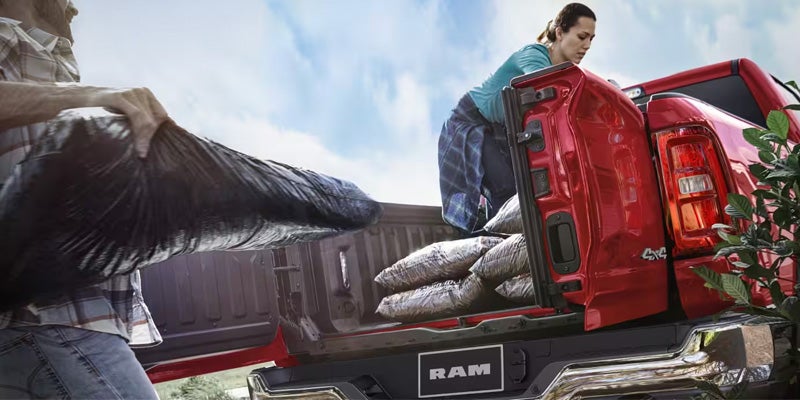
The 2026 Ram 1500 is a pickup truck available at Weeks of Benton Automotive Group in Benton, IL, and interested buyers can choose between the Big Horn and Laramie trims. Each trim level has different features, which allow drivers to find a truck that meets their specific needs. People should contact the dealer to learn more about the trucks and the available options. Engine Specifications The Big Horn has a 3.6L V6 engine, and this engine produces 305 hp and 269 lb-ft of torque. The Laramie trim includes a 3.0L Hurricane engine that produces 420 hp and 469 lb-ft of torque. A High Output version of the 3.0L engine produces 540 hp and 521 lb-ft of torque, which provides more power for different tasks. The 2026 model does not use the 5.7L engine, as it has been replaced by the Hurricane engines. Interior and Technology Features The Big Horn trim includes a standard 8.4" screen, but a 12" screen is an option for this model. The Laramie trim has a standard 12" screen, and a 14.5" screen is also available for the Laramie to provide more data. These screens work with Apple CarPlay© and Android Auto© to help drivers stay connected. The Big Horn uses cloth seats, while the Laramie trim includes leather seats and more luxury features. Exterior and Towing Capability The Big Horn trim comes with 18" wheels, and the Laramie trim also has 18" wheels as the standard size. Owners can choose 20" wheels for the Laramie trim, and these larger wheels change the appearance of the truck. The 2026 Ram 1500 can tow up to 11,580 lbs with the 3.6L engine, and the payload capacity is 2,300 lbs. These numbers change based on the truck setup, which includes the cab size and the bed length. The Big Horn is a functional trim for many drivers, while the Laramie offers more comfort and better technology. Both trucks are available at Weeks of Benton Automotive Group in Benton, IL.

2026 Jeep Grand Cherokee - The Thriving Jeep Owner Culture 

The Thriving Jeep Owner Culture

What are Jeep Clubs? For more than 80 years, Jeep has built a reputation around freedom, grit, and a refusal to stay on pavement. The owners carry that same energy. Around Benton, IL, Jeep drivers—“jeepers,” as they like to call themselves—have created something that feels less like a hobby and more like a standing invitation to get out and go somewhere interesting. It’s not just about the vehicle. It’s about who shows up beside you when the trail gets narrow, muddy, or unexpectedly complicated. That’s where the culture lives. Jeep clubs anchor much of that experience. They turn casual interest into something more structured, more social, and frankly, more fun. Trail rides, local events, and group outings happen with a rhythm that keeps the community active year-round. For someone just getting started, joining a club is the quickest way in. For long-time owners, it’s how the story keeps going. Jeep Clubs: Where Adventure Meets Community Jeep clubs function as the backbone of the ownership experience. They organize trail runs, scenic drives, and community events that bring people together with a shared purpose. In Benton, these clubs host meetups that feel equal parts showroom and storytelling session. There’s always a mix. Some rigs are clean and carefully built. Others look like they’ve just crawled out of a rock garden—and probably have. Conversations move easily between weekend plans, suspension setups, and where to find the next worthwhile trail. Organized trail rides remain the highlight. Routes vary in difficulty, so newcomers can learn without feeling outmatched, while experienced drivers still find terrain that keeps things interesting. There’s also a practical side. Members trade knowledge about maintenance, recovery gear, and upgrades, which means fewer surprises once you’re miles away from pavement. Jeep Club Meetups: Building Connections on and Off the Road Meetups bring a more relaxed pace. Less planning, more conversation. These gatherings range from simple coffee stops to larger events with food trucks, music, and rows of lifted Jeeps lined up like a rolling showcase. It’s an easy way to plug into the community. You show up, walk around, and before long you’re swapping trail recommendations or getting ideas for your next modification. No pressure, no expectations—just people who understand why a dirt road always seems more appealing than a smooth one. For many, this is where it starts. One meetup turns into another, then a trail ride, then a full weekend trip. That’s how the culture pulls you in. The Thrill of Jeep Racing Every now and then, things get a bit more competitive. Jeep racing exists on the edge of the culture—less common, but hard to ignore once you see it. Drag strips, timed obstacle courses, and local competitions give drivers a chance to test capability in a controlled setting. Watching a well-built Jeep navigate an obstacle course cleanly can be just as satisfying as any straight-line sprint. Local clubs occasionally partner with regional groups to bring these events closer to home, adding another layer to the ownership experience. A Nod to Jeep Ducks Then there’s the lighter side. Jeep ducks. A simple rubber duck placed on another Jeep as a quiet nod of appreciation. No rules, no explanation required. It’s a small gesture, but it says a lot. You were seen. You’re part of it. Experience Jeep Clubs and Community in Benton, IL Around here, the Jeep culture doesn’t wait for an invitation—it creates one. Clubs, meetups, trail rides, and the occasional competitive event all come together to form something that feels genuine and lasting. The easiest way to understand it is to step into it. Spend time around other Jeep owners. Ask questions. Join a ride. Before long, you’ll find yourself waving at another Jeep on the road and realizing you’re part of something that’s been building for decades—and shows no signs of slowing down.

2026 Chevrolet Silverado 1500

2026 Chevrolet Silverado 1500: Redefining Toughness

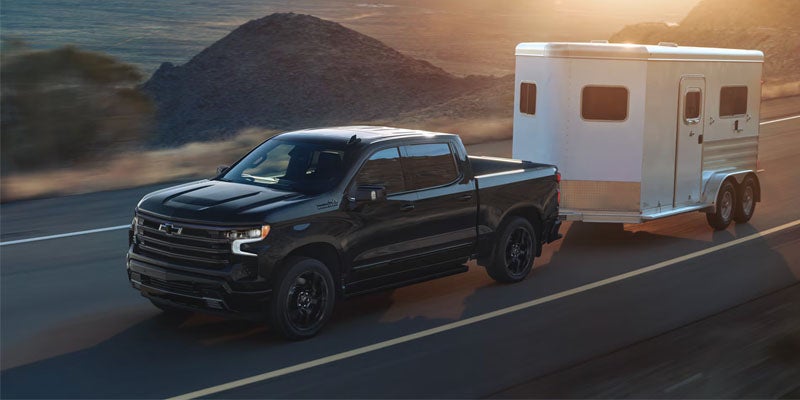
There are trucks that are just there. Then there is the 2026 Chevrolet Silverado 1501— excuse me, 1500 — which arrives like it has already won an argument you didn’t know you were having. Truck enthusiasts speak about it in the same tone normally reserved for legendary barbecue recipes or fish that were definitely “this big”. Around Benton, IL, the Silverado’s reputation travels slightly faster than its actual acceleration figures, which is impressive considering how quickly it can move several thousand pounds of responsibility. Engines That Treat Heavy Lifting as a Personal Hobby Capability begins with choices. The TurboMax™ engine delivers 310 hp and 430 lbs. ft. of torque, offering steady, usable strength that feels less dramatic hero entrance and more seasoned professional showing up early. Step into the available 6.2L EcoTec3 V8 and output climbs to 420 hp with 460 lbs. ft. of torque, introducing acceleration that feels suspiciously enthusiastic for something shaped like a mobile toolbox. For drivers who prefer diesel determination, the available 3.0L Duramax® Turbo-Diesel provides 305 hp and up to 495 lbs. ft. of torque. Properly equipped Silverado models tow up to 13,300 lbs., which is enough to relocate most recreational ambitions in one confident trip. 2026 Chevrolet Silverado 1500 Trailering Technology Hauling becomes less of a guessing game thanks to the In-Vehicle Trailering App and up to 14 available camera views. Hitch alignment suddenly looks like a skill you’ve practiced for years, even if you previously considered reversing with a trailer an advanced form of interpretive dance. The Durabed adds practical intelligence with best-in-class standard cargo volume of 89.1 cu. ft. and 12 fixed tie-downs rated at 500 lbs. each. Equipment stays secure. Weekend plans stay intact. Stress levels politely excuse themselves. Interior Refinement That Seems Slightly Overqualified for Muddy Boots Inside, the Silverado balances rugged intent with modern convenience. An available 13.4-inch touchscreen and 12.3-inch Driver Information Center create a digital workspace that responds quickly and presents information with reassuring clarity. Wireless Apple CarPlay® and Android Auto™ maintain seamless connectivity, while available Google built-in functionality introduces voice-guided navigation that feels quietly competent. Higher trims such as High Country elevate the experience further with leather seating surfaces, open-pore wood accents, and available Super Cruise® hands-free driver assistance. Long drives begin to feel less like endurance events and more like extended conversations with the horizon. Off-Road Confidence That Encourages Mildly Questionable Decisions ZR2 models bring factory-installed suspension lifts, Multimatic DSSV™ dampers, and front and rear electronic locking differentials into the equation. Rugged 33-inch all-terrain tires and underbody skid plates suggest that gravel roads, uneven trails, and spontaneous detours are not obstacles so much as challenges. The Silverado maintains composure where lesser vehicles begin quietly drafting apology notes. Come See If the Stories Are True About the 2026 Chevrolet Silverado 1500 Specifications can sound impressive on paper. Experiencing them from the driver’s seat tells a more entertaining story. Visit Weeks of Benton Automotive Group in Benton, IL, and discover how the 2026 Chevrolet Silverado 1500 handles real workloads, real roads, and real expectations. A short test drive may confirm what enthusiasts already suspect — capability feels much more convincing when it is happening directly beneath your right foot.

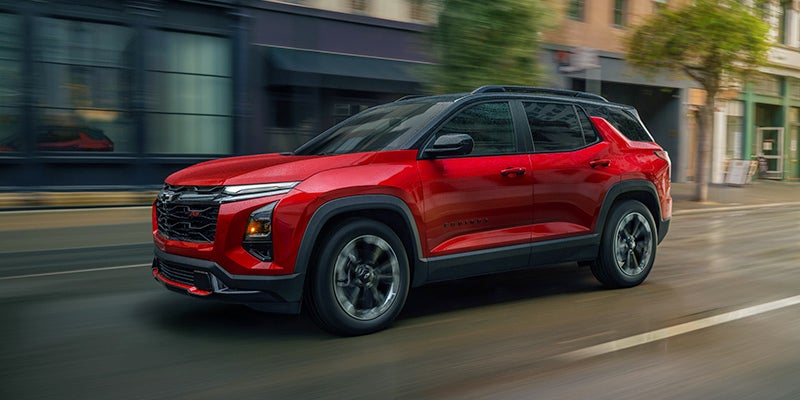
A 2026 Chevrolet Equinox in Radiant Red Tintcoat

2026 Chevrolet Equinox: The Perfect Family SUV for Benton, IL

The 2026 Chevrolet Equinox takes what you know about a family-friendly SUV and elevates it, showing off sleek and youthful design, purposeful technology, and versatile features. It’s a perfect companion for families in Benton, Illinois, who demand comfort, safety, and practicality. Whether you're running errands around town or planning a cross-country road trip, the Equinox is built to handle it all. 2026 Chevrolet Equinox Interior and Cargo Flexibility One of the standout features of the 2026 Chevrolet Equinox is its spacious interior, designed with families in mind. The SUV offers a maximum cargo space of 63.5 cu. ft., making it easy to pack everything you need for a weekend getaway or a day at the park. The 60/40 split-folding rear seats provide added flexibility, allowing you to accommodate both passengers and gear effortlessly. Hidden storage compartments under the rear cargo floor are perfect for keeping valuables out of sight during your travels. For families who love road trips, the available hands-free AutoSense Power Liftgate simplifies loading and unloading, even when your hands are full. Advanced Technology for Modern Families The 2026 Chevrolet Equinox ensures that every journey is as enjoyable as the destination with its cutting-edge technology. The standard 11.3” diagonal infotainment touchscreen and 11” Driver Information Center keep you connected and informed on the road. Features like wireless Apple CarPlay® and Android Auto™ compatibility make it easy to access your favourite apps, music, and navigation tools without fumbling with cords. For added convenience, the Equinox offers available wireless phone charging, so your devices stay powered throughout your trip. Benton families will appreciate how these features make everyday drives and long road trips more enjoyable. 2026 Chevrolet Equinox Safety: Peace of Mind for Families Safety is a top priority in the 2026 Chevrolet Equinox, which comes equipped with over 15 standard safety and driver assistance features. The Chevy Safety Assist package includes essentials like Automatic Emergency Braking, Lane Keep Assist with Lane Departure Warning, and Forward Collision Alert. These features work together to help prevent accidents and keep your loved ones safe on the road. For even more confidence behind the wheel, the Equinox offers advanced options like HD Surround Vision and Reverse Automatic Braking. These systems provide a clearer view of your surroundings and assist in avoiding potential hazards, making it an ideal choice for families navigating busy streets or unfamiliar terrain. Performance That’s Road Trip Ready Under the hood, the 2026 Chevrolet Equinox features a 1.5L turbocharged engine that delivers 175 hp—perfect for both city driving and highway cruising. With an available all-wheel-drive system, the Equinox ensures optimal traction in various weather conditions, giving families in Benton, Illinois, peace of mind during winter months or rainy seasons. The SUV also boasts a towing capacity of up to 1,500 lbs., making it easy to bring along bikes, kayaks, or a small trailer for your next adventure. Combined with its Drive Mode Selector, which tailors performance to different terrains, the Equinox is ready to tackle any road trip challenge. The 2026 Chevrolet Equinox is more than just an SUV—it’s a reliable partner for families who love to explore. Its combination of spaciousness, advanced technology, safety features, and versatile performance makes it a standout choice for drivers in Benton, IL. Visit us at Weeks of Benton Automotive Group in Benton, Illinois to see what the Equinox can do for you.

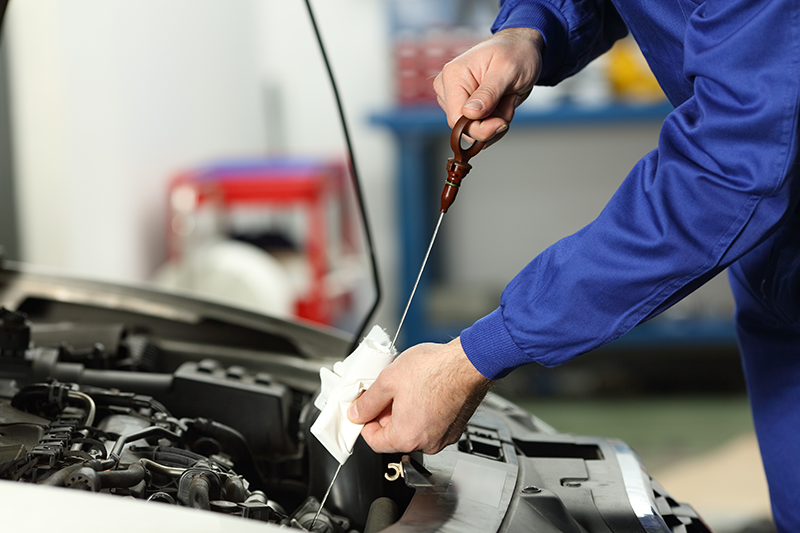
A technician checking the oil of a vehicle before their oil change

Chevy Oil Change FAQ and Tips for Benton, IL Drivers

How important is an oil change for your Chevrolet? Motor oil is the lifeblood of your vehicle, ensuring smooth operation and long-term reliability. Whether you're driving a dependable Chevy or a rugged Jeep, keeping up with regular oil changes is essential. In this guide, we’ll answer common questions about Chevy oil changes, explain how often to get them, break down different oil types, and highlight the importance of this vital maintenance step. How Often Should You Get a Chevy Oil Change? The frequency of oil changes depends on several factors, including your vehicle model, engine type, and driving habits. For most modern Chevy vehicles, manufacturers recommend an oil change every 7,500 to 10,000 miles when using synthetic oil. If you frequently drive in extreme conditions, like hot summers or cold winters in Benton, Illinois, more frequent changes may be necessary—around every 5,000 miles. Jeep owners may follow similar intervals, but it’s always best to consult your owner’s manual for specifics. Regardless of the brand, sticking to a consistent schedule helps keep your engine running efficiently and extends its lifespan. What Are the Different Types of Motor Oil? Choosing the right type of oil for your Chevy or Jeep is critical to maintaining optimal performance. Here’s a quick breakdown of common oil types: - Conventional Oil: This traditional option is suitable for older vehicles or those with simpler engines. However, it requires more frequent changes. - Synthetic Oil: Engineered for superior performance, synthetic oil offers better protection against high temperatures and sludge buildup. Most newer Chevys come factory-filled with synthetic oil. - Synthetic Blend: A middle-ground option combining conventional and synthetic oils, offering improved performance at a lower cost than full synthetic. - High-Mileage Oil: Designed for vehicles with over 75,000 miles, this oil contains additives to reduce leaks and engine wear. For both Chevy oil changes and Jeep oil changes, selecting the correct oil type ensures that your engine stays clean and efficient, especially during long drives through rural Illinois or off-road adventures. Why Are Regular Oil Changes Important? Skipping oil changes can lead to significant engine problems and costly repairs. Over time, motor oil breaks down and collects dirt, which reduces its ability to lubricate and protect your engine. Here’s why staying on top of oil changes matters: 1. Prevents Engine Wear: Fresh oil minimizes friction between engine components, reducing wear and tear. 2. Improves Fuel Efficiency: Clean oil allows the engine to run smoothly, boosting fuel economy. 3. Cools Engine Parts: Oil absorbs heat from the engine, preventing overheating. 4. Extends Engine Life: Regular maintenance ensures your vehicle stays reliable for years to come. Whether you’re commuting within Benton, IL, or exploring new terrain in a Jeep Wrangler, timely oil changes are key to avoiding unnecessary breakdowns and keeping your vehicle in peak condition. If you’re due for a Chevy oil change or even a Jeep oil change, trust the experts at Weeks of Benton Automotive Group to get the job done right. Our professional technicians use high-quality oil and follow manufacturer guidelines to ensure the best care for your vehicle.

A couple speaking with a man holding a clipboard, discussing trading in their vehicle - When to Trade In Your Vehicle: Essential FAQ for Benton, IL Drivers 

When to Trade In Your Vehicle: Essential FAQ for Benton, IL Drivers

Trading in your vehicle can feel like a daunting decision. Many drivers wonder if they’re getting the best deal or if it’s even the right time to trade in. If you’re asking yourself, “should I trade in my car now?” this guide is here to help. Whether you're looking to upgrade to a newer model or simply want to understand the process, we’ll break down critical questions about trading in a vehicle in Benton, IL. What Factors Determine When to Trade In? Timing is crucial when deciding when to trade in your vehicle. Typically, the best time depends on several factors: 1. Vehicle Depreciation: Cars lose value over time, with the steepest depreciation occurring in the first few years. Trading in before your car reaches the three- to five-year mark can help you retain more value. 2. Condition of the Vehicle: A well-maintained vehicle fetches a higher trade-in value. Regular maintenance and addressing minor repairs can work in your favor. 3. Market Trends: Demand for certain models influences trade-in offers. For instance, SUVs and trucks often have high demand in areas like Benton, Illinois, due to weather and lifestyle needs. Understanding how these factors align with your circumstances can help you decide when to trade in. How is Trade-In Value Determined? Your vehicle’s trade-in value is influenced by a variety of criteria, including: - Age and Mileage: Older vehicles with high mileage typically bring lower offers. - Condition: A thorough vehicle condition assessment—looking at wear and tear, paintwork, and interior cleanliness—helps appraise value. - Market Demand: Popular models like Chevrolet’s Silverado or Equinox may earn higher trade-in values due to consistent consumer interest. - Third-Party Tools: Resources like Kelley Blue Book or NADA Guides provide estimates that give you a benchmark when negotiating. For drivers in Benton, IL, visiting Weeks of Benton Automotive Group for a trade-in evaluation ensures an accurate and fair assessment of your vehicle. Should I Trade In or Sell Privately? The decision to trade in versus selling privately often hinges on convenience and financial goals. Benefits of Trading In: - Convenience: Skip the hassle of advertising, meeting potential buyers, and negotiating. - Tax Savings: In many states, including Illinois, trading in a vehicle could reduce the taxable amount on your new purchase. - Quick Process: A dealership like Weeks of Benton Automotive Group streamlines the process, saving you time. Drawbacks to Consider: - Potentially lower offers compared to private sales. - Limited room for negotiation. If you’re still thinking, “should I trade in my vehicle or sell it privately?” consider your priorities—time versus maximum profit. What Role Does Vehicle Condition Play? Vehicle condition is one of the most significant factors when determining whether to start now or wait. Here’s how condition impacts trade-in value: - Exterior: Dents, scratches, and faded paint can lower your offer. Addressing these issues beforehand can be worth the investment. - Interior: Clean upholstery, working electronics, and no unpleasant odors improve your car’s appeal. - Mechanical Health: Ensure there are no warning lights on the dashboard, and consider providing maintenance records to demonstrate care. Pro Tip: Before heading to a dealership in Benton, IL, clean your car inside and out and take care of minor fixes to maximize your trade-in value. Can You Roll Over a Loan? Yes, rolling over an existing auto loan into a trade-in is possible, but there are some caveats. If you owe more on your vehicle than its value (negative equity), the remaining balance can be added to your new loan. However, be cautious—rolling over debt increases your new loan amount, which may result in higher monthly payments or longer repayment terms. It’s wise to consult with experts at Weeks of Benton Automotive Group to explore your options and ensure this move aligns with your financial situation. Ready to find out your trade-in value? Visit Weeks of Benton Automotive Group in Benton, IL, to get an accurate evaluation and explore your upgrade options. Our team is here to guide you through every step of the process, ensuring you make an informed decision. Knowing when to trade in your vehicle depends on timing, market conditions, and your personal circumstances. Whether you’re upgrading to a newer model or simply looking for a fresh start, understanding trade-in value, vehicle condition, and financing options is essential. For drivers in Benton, Illinois, Weeks of Benton Automotive Group is your trusted resource for transparent and fair trade-in assessments. Stop by today to start your new vehicle journey!

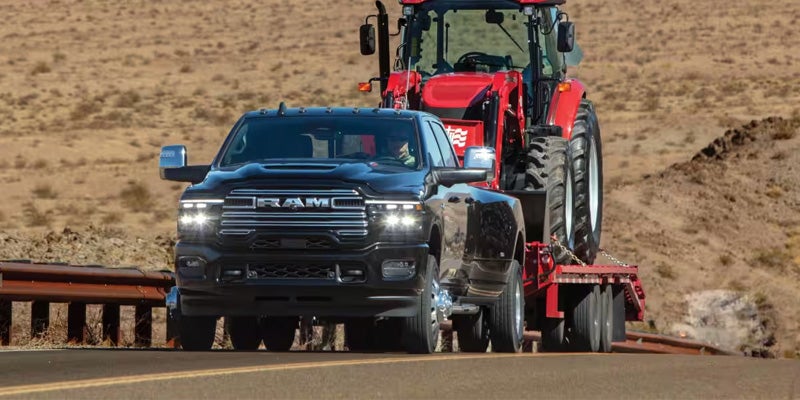
A 2026 RAM 3500 in Diamond Black Crystal Pearl-Coat towing a trailer and farm tractor, with optional diesel gas

Comparing Diesel, Natural Gas, and Standard Gas Options

Understanding Diesel Trucks Diesel trucks have earned a strong reputation for durability, towing strength, and efficiency, making them a trusted choice for drivers in Benton, IL. Diesel engines produce significantly more torque than standard gasoline engines, supporting confident towing, hauling, and commercial workloads. This torque advantage is one of the primary reasons diesel trucks excel in heavy-duty environments. Diesel engines are also known for long service life. With proper maintenance, it is common for a diesel engine to exceed 200,000 miles due to the design of the combustion process and the robust internal components. For drivers who depend on consistent performance under demanding conditions, diesel trucks such as the Chevrolet Silverado HD lineup offer reliability and capability backed by proven engineering. Exploring Natural Gas Trucks Natural gas trucks—powered by compressed natural gas (CNG) or liquefied natural gas (LNG)—are increasingly popular among fleet operators focused on lowering emissions. Natural gas produces fewer greenhouse gases and reduced particulate matter, making it an appealing option for eco-conscious operations. Despite these benefits, natural gas trucks face challenges. The availability of CNG and LNG fueling stations is still limited in many parts of the country, including rural regions like Benton, IL. Natural gas powertrains also typically deliver less torque than diesel engines, which impacts towing and hauling performance. Although natural gas offers cleaner operation, diesel remains the preferred choice for drivers who require maximum pulling strength. Standard Gasoline-Powered Trucks Gasoline-powered trucks continue to appeal to many drivers because they are widely available and generally more affordable upfront. Gasoline engines typically operate more quietly and produce lower nitrogen oxide emissions than diesel engines, contributing to a smoother everyday driving experience. However, gasoline engines do not match diesel engines in torque production or long-distance fuel efficiency. For lighter workloads, commuting, or daily driving around Benton, IL, gasoline trucks such as the Chevrolet Silverado 1500 remain practical and capable options. They offer strong versatility for drivers who do not require heavy-duty towing performance. Deciding if Diesel is Right for You Selecting the right powertrain depends on your performance needs, driving habits, and long-term plans. Diesel trucks are ideal for heavy-duty use thanks to their torque, efficiency under load, and proven longevity. Natural gas trucks offer emissions benefits, though their fueling infrastructure and lower towing capability make them better suited for specific fleet applications. Gasoline-powered trucks provide broad accessibility and smooth operation for drivers who prioritize everyday usability over maximum towing strength. At Weeks of Benton Automotive Group, we take pride in helping drivers in Benton, IL choose the truck that aligns with their work demands and lifestyle. From capable diesel models to versatile gasoline options, our team is ready to guide you through each choice with confidence. Drivers across Benton, IL can explore a range of trucks designed for power, efficiency, and durability. Visit Weeks of Benton Automotive Group to find the model that delivers the performance and value you need for every job and every journey.

Contact Us

Fill out this form below and we'll contact you shortly
*Required Fields