
Blog / 2026 Equinox

2026 Chevrolet Equinox: The Perfect Family SUV for Benton, IL

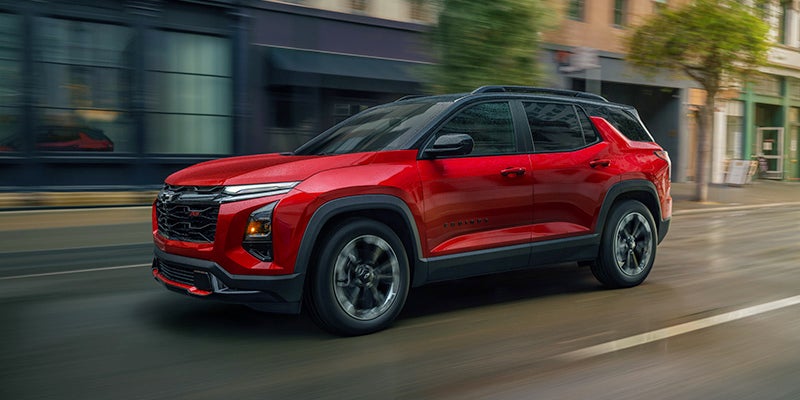
A 2026 Chevrolet Equinox in Radiant Red Tintcoat

The 2026 Chevrolet Equinox takes what you know about a family-friendly SUV and elevates it, showing off sleek and youthful design, purposeful technology, and versatile features. It’s a perfect companion for families in Benton, Illinois, who demand comfort, safety, and practicality. Whether you're running errands around town or planning a cross-country road trip, the Equinox is built to handle it all.  

2026 Chevrolet Equinox Interior and Cargo Flexibility 

One of the standout features of the 2026 Chevrolet Equinox is its spacious interior, designed with families in mind. The SUV offers a maximum cargo space of 63.5 cu. ft., making it easy to pack everything you need for a weekend getaway or a day at the park. The 60/40 split-folding rear seats provide added flexibility, allowing you to accommodate both passengers and gear effortlessly. Hidden storage compartments under the rear cargo floor are perfect for keeping valuables out of sight during your travels. 

For families who love road trips, the available hands-free AutoSense Power Liftgate simplifies loading and unloading, even when your hands are full.  

Advanced Technology for Modern Families  

The 2026 Chevrolet Equinox ensures that every journey is as enjoyable as the destination with its cutting-edge technology. The standard 11.3” diagonal infotainment touchscreen and 11” Driver Information Center keep you connected and informed on the road. Features like wireless Apple CarPlay® and Android Auto™ compatibility make it easy to access your favourite apps, music, and navigation tools without fumbling with cords.  

For added convenience, the Equinox offers available wireless phone charging, so your devices stay powered throughout your trip. Benton families will appreciate how these features make everyday drives and long road trips more enjoyable.  

2026 Chevrolet Equinox Safety: Peace of Mind for Families 

Safety is a top priority in the 2026 Chevrolet Equinox, which comes equipped with over 15 standard safety and driver assistance features. The Chevy Safety Assist package includes essentials like Automatic Emergency Braking, Lane Keep Assist with Lane Departure Warning, and Forward Collision Alert. These features work together to help prevent accidents and keep your loved ones safe on the road.  

For even more confidence behind the wheel, the Equinox offers advanced options like HD Surround Vision and Reverse Automatic Braking. These systems provide a clearer view of your surroundings and assist in avoiding potential hazards, making it an ideal choice for families navigating busy streets or unfamiliar terrain.  

Performance That’s Road Trip Ready  

Under the hood, the 2026 Chevrolet Equinox features a 1.5L turbocharged engine that delivers 175 hp—perfect for both city driving and highway cruising. With an available all-wheel-drive system, the Equinox ensures optimal traction in various weather conditions, giving families in Benton, Illinois, peace of mind during winter months or rainy seasons. 

The SUV also boasts a towing capacity of up to 1,500 lbs., making it easy to bring along bikes, kayaks, or a small trailer for your next adventure. Combined with its Drive Mode Selector, which tailors performance to different terrains, the Equinox is ready to tackle any road trip challenge.  

The 2026 Chevrolet Equinox is more than just an SUV—it’s a reliable partner for families who love to explore. Its combination of spaciousness, advanced technology, safety features, and versatile performance makes it a standout choice for drivers in Benton, IL.  Visit us at Weeks of Benton Automotive Group in Benton, Illinois to see what the Equinox can do for you.  
Posted in:

Related Posts

Oil Light On? Here's What Every Driver Should Know 

Oil Light On? Here's What Every Driver Should Know

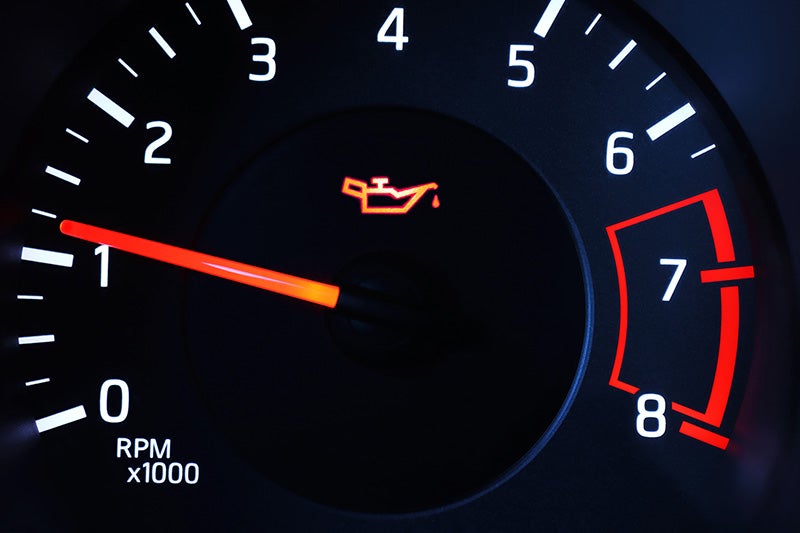
When your oil light on your dashboard suddenly goes on, it can feel alarming - and for good reason. This warning light is your vehicle's way of signaling that something in the engine's lubrication system needs attention. It does not always mean a catastrophe is unfolding, but it should never be ignored. Understanding what the light means is the first step toward protecting your engine when you're driving around Benton, Ill. The oil pressure warning light specifically indicates that your engine's oil pressure has dropped below a safe level. This is different from a simple low oil level notification, though both situations are serious and require prompt action. Steps to Take When Your Oil Light Comes On When the oil light on your dashboard activates while you're driving, follow these steps immediately. First, find a safe place to pull over as soon as possible. Do not continue driving at highway speeds with the light on. more Once stopped, turn off the engine and wait a few minutes before checking the oil level using the dipstick. If the oil level is low, adding the correct oil type may resolve the issue temporarily. However, you should still have your vehicle inspected by a qualified technician as soon as possible to determine why the oil was low in the first place. If the oil level appears normal, but the light remains on, do not drive the vehicle. Call for a tow rather than risk serious engine damage. Can Service Wait, or Does It Need Immediate Attention? This is one of the most common questions drivers ask, and the honest answer is: it depends on the situation. If the oil light came on and your oil level is critically low or your pressure is dropping, this requires immediate attention - not a scheduled appointment a few days out. Driving with low oil pressure, even for a short distance, can cause irreversible engine damage. Metal components that rely on lubrication can grind against each other, leading to costly repairs or full engine failure. If you are unsure whether your situation is urgent, err on the side of caution and avoid driving until the vehicle has been inspected. Minor oil-related concerns, such as a slow leak identified during a routine check, may allow slightly more flexibility in scheduling - but these should still be addressed within a short window of time. Common Problems That Can Trigger the Oil Light Another frequently asked question is what actually causes the oil light to come on. There are several possibilities. Low oil level is the most common culprit, often caused by a leak or burning oil over time. A faulty oil pump can also trigger the light by failing to maintain adequate pressure throughout the engine. A clogged oil filter, worn engine bearings, or an oil pressure sensor that has malfunctioned are additional causes worth investigating. In some cases, the issue may be as straightforward as needing an oil change that is overdue. Regardless of the underlying cause, each of these scenarios warrants a professional inspection to properly diagnose and resolve the problem before it escalates. Visit Us in Benton, IL If your oil light on your dashboard has come on and you are looking for trustworthy service, the team at Weeks in Benton Automotive Group is ready to help. Serving drivers throughout Benton, IL, we are here to diagnose the issue quickly and get you back on the road safely. Stop in or schedule your service appointment online today.

Car Tires and Wheels FAQ: How Every Component Works, Common Problems, and Proper Maintenance

Car Tires and Wheels FAQ: How Every Component Works, Common Problems, and Proper Maintenance

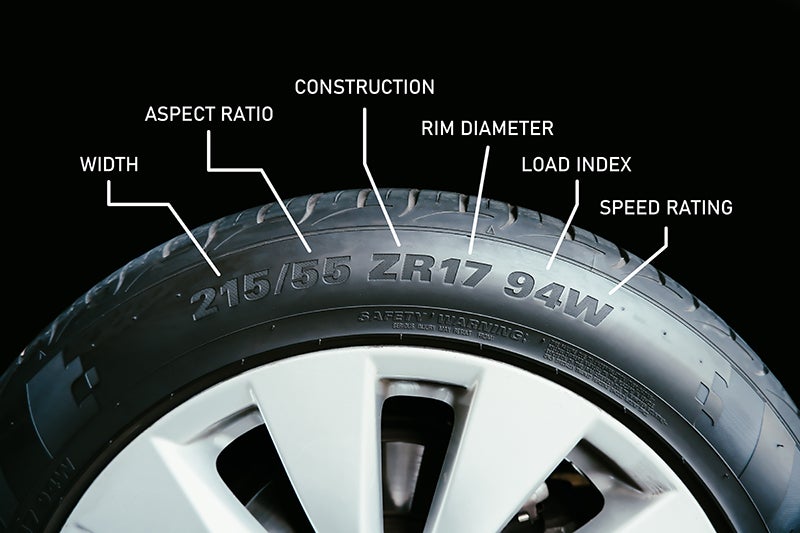
Understanding how your vehicle’s tires and wheels work is essential for safe driving, better handling, and long-term vehicle performance. While many drivers focus only on tire tread and air pressure, the entire wheel and tire assembly is made up of several interconnected components that work together every time your vehicle accelerates, brakes, turns, and travels down the road. At Weeks of Benton in Benton, IL, we know that properly maintained tires and wheels play an important role in your vehicle’s overall operation. From the tire bead that creates an airtight seal to the wheel hub that connects the assembly to your vehicle, every component serves a specific purpose. This detailed FAQ explains how tire and wheel parts work, what issues can develop, and how regular maintenance can help keep your vehicle performing properly. Frequently Asked Questions About Car Tires and Wheels How Do Tires and Wheels Work Together? A vehicle’s tire and wheel assembly is designed to support the vehicle’s weight, absorb road impacts, maintain traction, and transfer power from the engine to the pavement. The wheel provides the rigid structure that mounts to the vehicle, while the tire creates the contact surface between your vehicle and the road. more When a tire is properly mounted, the tire bead locks securely onto the wheel rim. Air pressure inside the tire pushes outward against the tire structure, allowing it to maintain its shape and carry the vehicle’s load. The wheel then transfers forces through the hub, wheel bearings, and suspension components. A properly functioning tire and wheel system helps provide: Improved steering control and handling Reliable braking performance Better fuel efficiency Reduced vibration while driving Increased tire lifespan Enhanced ride comfort What Are the Main Parts of a Tire? A tire is made up of multiple layers and components that work together to provide durability, flexibility, and traction. Each section has an important role in maintaining performance. Tire Tread The tire tread is the outer portion of the tire that contacts the road surface. The tread pattern is designed to move water away from the tire, improve traction, and provide stability in different driving conditions. Common tread problems include: Uneven wear caused by poor alignment or improper inflation Excessive wear from high mileage Cracking caused by age and weather exposure Reduced traction when tread depth becomes too low Regular tire inspections help identify tread problems before they affect driving safety. Tire Sidewall The sidewall is the area between the tread and the wheel rim. It provides structural support while allowing the tire to flex during normal driving. The sidewall contains important information, including: Tire size Load rating Speed rating Manufacturer information Recommended specifications Sidewall damage can be serious because this area supports much of the tire’s structural integrity. Cuts, bubbles, cracks, or punctures on the sidewall should always be inspected. Tire Bead The tire bead is the reinforced edge of the tire that sits against the wheel rim. It contains strong steel wires that help secure the tire to the wheel. The bead is responsible for: Creating an airtight seal Keeping the tire mounted during driving Maintaining proper positioning on the wheel Problems with the tire bead can result in air leaks, poor tire seating, or tire separation. Tire Belts and Internal Layers Inside the tire are several layers designed to provide strength and stability. Steel belts help reinforce the tread area, while fabric layers help maintain the tire’s shape. These internal components help with: Improved handling Reduced tread movement Better durability Increased resistance to road impacts Internal tire damage may not always be visible, which is why professional inspections are important after major impacts. What Are the Different Parts of a Wheel? The wheel is more than just the visible metal component behind your tire. It includes several parts that work together to attach the tire assembly to your vehicle. Wheel Rim The rim is the outer structure of the wheel where the tire mounts. It supports the tire bead and helps maintain the tire’s shape. Wheel damage can occur from: Pothole impacts Road debris Accidents Corrosion Improper installation A bent rim can create vibrations, air leaks, and uneven tire wear. Wheel Spokes Spokes connect the outer rim area to the center portion of the wheel. They provide structural support while allowing manufacturers to design different wheel styles and appearances. Damaged or cracked spokes can weaken the wheel structure and should be inspected immediately. Common spoke issues include: Cracks from impacts Corrosion around attachment points Damage from improper wheel installation Wheel Hub The wheel hub is the central component that connects the wheel assembly to the vehicle. It allows the wheel to rotate smoothly while attaching securely to the suspension system. The hub works with: Wheel bearings Axle components Brake components Wheel studs A damaged wheel hub can create noise, vibration, steering concerns, or uneven tire wear. Wheel Bearings Wheel bearings allow the wheel and hub assembly to rotate smoothly with minimal friction. They support vehicle weight while handling forces created during acceleration, braking, and turning. Signs of wheel bearing problems may include: Humming or grinding noises Steering looseness Uneven tire wear Vibration while driving Ignoring worn wheel bearings can lead to additional suspension and wheel-related problems. What Are Lug Nuts and Wheel Studs? Lug nuts and wheel studs secure the wheel to the vehicle. They create the clamping force needed to keep the wheel properly attached while driving. Lug Nuts Lug nuts thread onto wheel studs and hold the wheel firmly against the hub. Proper lug nut maintenance includes: Checking for proper torque Inspecting for damaged threads Replacing worn or damaged lug nuts Ensuring all lug nuts are installed correctly Loose lug nuts can cause wheel movement, vibration, and serious safety concerns. Wheel Studs Wheel studs are threaded metal components attached to the vehicle hub. Lug nuts tighten onto these studs to secure the wheel. Wheel stud problems can include: Stripped threads Broken studs Corrosion Improper installation damage A damaged wheel stud should be repaired before reinstalling the wheel. What Is a Valve Stem and Why Is It Important? The valve stem allows air to enter and exit the tire. It includes a valve core that controls airflow and helps maintain proper tire pressure. Valve stem problems may cause: Slow air leaks Low tire pressure warnings Difficulty maintaining inflation Tire performance issues Rubber valve stems can deteriorate over time due to weather exposure. Many tire professionals recommend inspecting or replacing valve stems during tire service. What Is a TPMS Sensor? A Tire Pressure Monitoring System (TPMS) sensor monitors tire pressure and alerts drivers when inflation levels become too low. A TPMS system helps drivers: Maintain proper tire pressure Reduce unnecessary tire wear Improve fuel efficiency Identify potential tire issues TPMS sensors may require replacement when batteries fail or when the sensor becomes damaged. How Does Tire Pressure Affect Vehicle Performance? Proper tire pressure is one of the most important parts of tire maintenance. Underinflated or overinflated tires can affect handling, comfort, and tire lifespan. Incorrect tire pressure can lead to: Faster tread wear Reduced traction Poor fuel economy Increased heat buildup Uneven tire wear Drivers should check tire pressure regularly and follow the manufacturer’s recommended specifications. What Causes Uneven Tire Wear? Uneven tire wear often indicates an issue with tire maintenance, alignment, suspension components, or inflation. Common wear patterns include: Center wear: Often caused by overinflation Outer edge wear: Often caused by underinflation One-sided wear: Often related to alignment issues Cupping or scalloping: May indicate suspension or balance problems Regular tire rotations, inspections, and wheel alignments help promote even wear. Why Is Wheel Alignment Important? Wheel alignment adjusts the angle of the wheels so they meet the road correctly. Proper alignment improves handling and helps tires wear evenly. Signs your vehicle may need an alignment include: Vehicle pulling to one side Steering wheel vibration Uneven tire wear Steering wheel not returning properly after turns Alignment issues can develop from potholes, collisions, worn suspension components, or normal driving conditions. What Is Tire Balancing? Tire balancing ensures the weight of the tire and wheel assembly is evenly distributed. Small weights are attached to the wheel to correct imbalances. Proper tire balancing helps reduce: Steering wheel vibration Uneven tire wear Excess stress on suspension components Irregular tire performance A vehicle may need tire balancing after installing new tires, repairing a tire, or noticing vibration at certain speeds. How Often Should Tires and Wheels Be Maintained? Regular maintenance helps identify problems early and extends the life of your tire and wheel components. Important maintenance services include: Checking tire pressure regularly Rotating tires according to manufacturer recommendations Inspecting tread depth Checking wheel alignment Balancing tires when needed Inspecting valve stems and TPMS sensors Checking lug nut torque after wheel installation Inspecting wheels for cracks or damage What Can Damage Tires and Wheels? Tires and wheels experience constant exposure to road conditions, weather, and driving forces. Several issues can affect their performance. Common causes of damage include: Potholes and road impacts Improper tire pressure Road debris Extreme temperatures Lack of maintenance Incorrect installation Worn suspension components Routine inspections can help identify these concerns before they become larger repairs. How Can Drivers Extend the Life of Their Tires and Wheels? Proper care can help maintain reliable performance and prevent premature replacement. Drivers can protect their tires and wheels by: Maintaining recommended tire pressure Avoiding harsh impacts when possible Scheduling regular tire rotations Keeping wheels clean to prevent corrosion Addressing vibrations or noises quickly Having tires inspected professionally Schedule Tire and Wheel Service at Weeks of Benton Your tires and wheels are essential safety components that affect every mile you drive. Understanding how each part works, from the tire bead and valve stem to the wheel hub and lug nuts, helps you recognize potential issues and maintain your vehicle properly. Weeks of Benton in Benton, IL, provides professional automotive service to help drivers keep their vehicles operating smoothly. Whether you need a tire inspection, wheel service, balancing, alignment, or routine maintenance, our team is ready to assist with your vehicle’s needs. Schedule service for your vehicle today.

2026 Ram 1500 Big Horn vs. Laramie 

2026 Ram 1500 Big Horn vs. Laramie

The 2026 Ram 1500 is a pickup truck available at Weeks of Benton Automotive Group in Benton, IL, and interested buyers can choose between the Big Horn and Laramie trims. Each trim level has different features, which allow drivers to find a truck that meets their specific needs. People should contact the dealer to learn more about the trucks and the available options. Engine Specifications The Big Horn has a 3.6L V6 engine, and this engine produces 305 hp and 269 lb-ft of torque. The Laramie trim includes a 3.0L Hurricane engine that produces 420 hp and 469 lb-ft of torque. A High Output version of the 3.0L engine produces 540 hp and 521 lb-ft of torque, which provides more power for different tasks. The 2026 model does not use the 5.7L engine, as it has been replaced by the Hurricane engines. more Interior and Technology Features The Big Horn trim includes a standard 8.4" screen, but a 12" screen is an option for this model. The Laramie trim has a standard 12" screen, and a 14.5" screen is also available for the Laramie to provide more data. These screens work with Apple CarPlay© and Android Auto© to help drivers stay connected. The Big Horn uses cloth seats, while the Laramie trim includes leather seats and more luxury features. Exterior and Towing Capability The Big Horn trim comes with 18" wheels, and the Laramie trim also has 18" wheels as the standard size. Owners can choose 20" wheels for the Laramie trim, and these larger wheels change the appearance of the truck. The 2026 Ram 1500 can tow up to 11,580 lbs with the 3.6L engine, and the payload capacity is 2,300 lbs. These numbers change based on the truck setup, which includes the cab size and the bed length. The Big Horn is a functional trim for many drivers, while the Laramie offers more comfort and better technology. Both trucks are available at Weeks of Benton Automotive Group in Benton, IL.