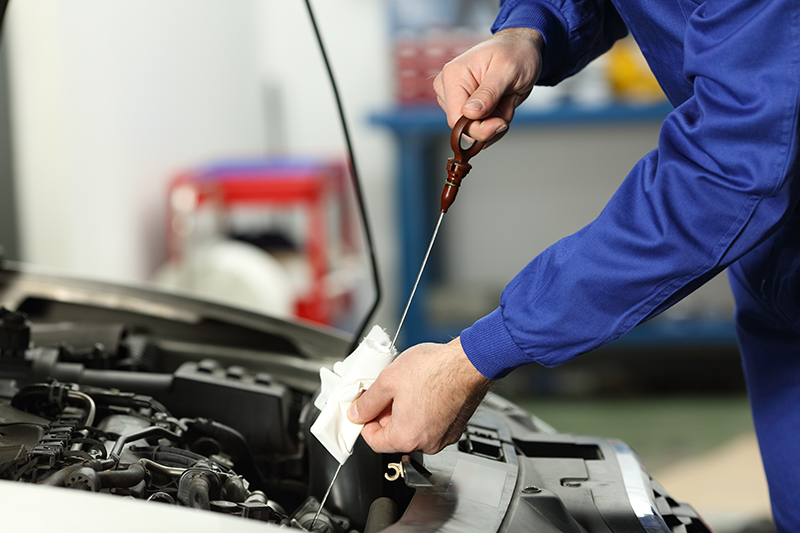

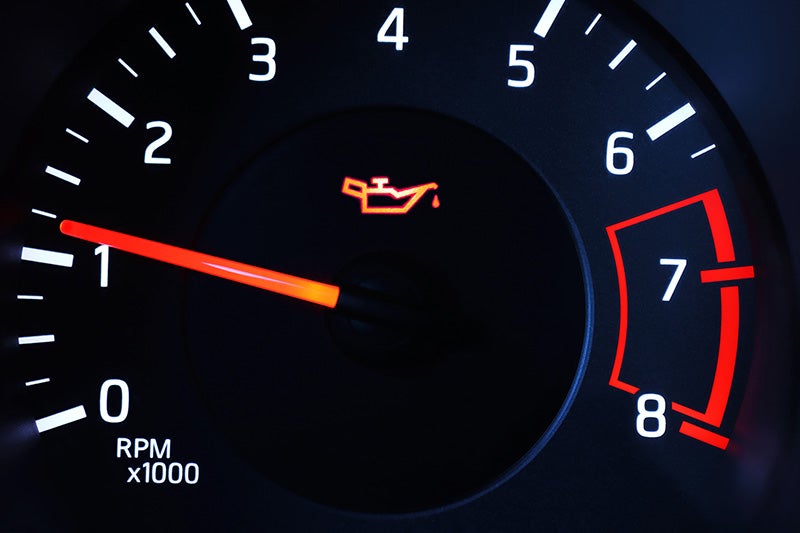
When your oil light on your dashboard suddenly goes on, it can feel alarming - and for good reason. This warning light is your vehicle's way of signaling that something in the engine's lubrication system needs attention. It does not always mean a catastrophe is unfolding, but it should never be ignored. Understanding what the light means is the first step toward protecting your engine when you're driving around Benton, Ill. The oil pressure warning light specifically indicates that your engine's oil pressure has dropped below a safe level. This is different from a simple low oil level notification, though both situations are serious and require prompt action. Steps to Take When Your Oil Light Comes On When the oil light on your dashboard activates while you're driving, follow these steps immediately. First, find a safe place to pull over as soon as possible. Do not continue driving at highway speeds with the light on. Once stopped, turn off the engine and wait a few minutes before checking the oil level using the dipstick. If the oil level is low, adding the correct oil type may resolve the issue temporarily. However, you should still have your vehicle inspected by a qualified technician as soon as possible to determine why the oil was low in the first place. If the oil level appears normal, but the light remains on, do not drive the vehicle. Call for a tow rather than risk serious engine damage. Can Service Wait, or Does It Need Immediate Attention? This is one of the most common questions drivers ask, and the honest answer is: it depends on the situation. If the oil light came on and your oil level is critically low or your pressure is dropping, this requires immediate attention - not a scheduled appointment a few days out. Driving with low oil pressure, even for a short distance, can cause irreversible engine damage. Metal components that rely on lubrication can grind against each other, leading to costly repairs or full engine failure. If you are unsure whether your situation is urgent, err on the side of caution and avoid driving until the vehicle has been inspected. Minor oil-related concerns, such as a slow leak identified during a routine check, may allow slightly more flexibility in scheduling - but these should still be addressed within a short window of time. Common Problems That Can Trigger the Oil Light Another frequently asked question is what actually causes the oil light to come on. There are several possibilities. Low oil level is the most common culprit, often caused by a leak or burning oil over time. A faulty oil pump can also trigger the light by failing to maintain adequate pressure throughout the engine. A clogged oil filter, worn engine bearings, or an oil pressure sensor that has malfunctioned are additional causes worth investigating. In some cases, the issue may be as straightforward as needing an oil change that is overdue. Regardless of the underlying cause, each of these scenarios warrants a professional inspection to properly diagnose and resolve the problem before it escalates. Visit Us in Benton, IL If your oil light on your dashboard has come on and you are looking for trustworthy service, the team at Weeks in Benton Automotive Group is ready to help. Serving drivers throughout Benton, IL, we are here to diagnose the issue quickly and get you back on the road safely. Stop in or schedule your service appointment online today.
Car Battery: What It Is & When to Replace It
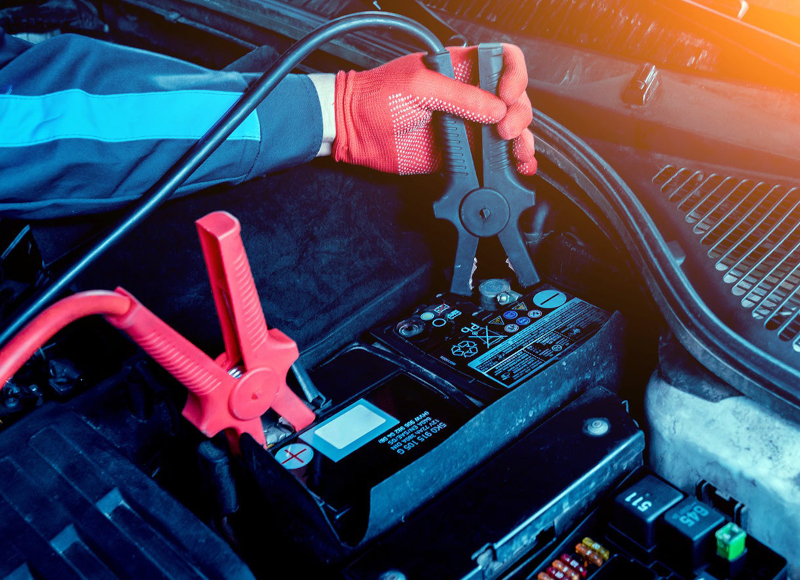
Car Batteries: What Happens Between Turning the Key and Starting the Engine A healthy car battery doesn't give you much reason to think about it. Turn the key or press the start button and the engine starts, just as it did yesterday. It's only when the starter begins turning more slowly—or doesn't turn at all—that the battery suddenly becomes interesting. Understanding the basics, and arranging battery testing when performance begins to decline, can help Benton, IL, drivers catch trouble before the car simply refuses to leave. A Battery Stores Energy Until the Car Asks for It Most conventional vehicles use a rechargeable lead-acid battery containing lead plates and an electrolyte solution. The chemical reaction inside produces the electrical current the vehicle needs. Batteries are also rated for cold cranking amps, which indicate their ability to provide starting current at low temperatures. That's relevant when winter arrives and an aging battery is being asked to start a cold engine. The correct replacement battery needs to meet the requirements of the vehicle, so a parts department or professional service center can help identify the appropriate unit rather than choosing one based solely on dimensions. The Starting-and-Charging Cycle Happens Thousands of Times Every start draws stored electrical energy from the battery. Once the engine is operating, the alternator replenishes that energy so the battery is ready for the next start. Repeat that process over several years and the battery eventually loses some of its ability to hold and deliver a charge. Many conventional batteries last roughly 3 to 5 years, although climate, driving patterns, battery type, and other conditions influence service life. Routine maintenance visits provide convenient opportunities for a battery inspection. Drivers near Benton scheduling an oil change, tire rotation, Multi-Point Vehicle Inspection, or seasonal maintenance can have the battery checked at the same time. A Tired Battery Often Gives You Some Warning Slow cranking is one of the classic symptoms. Turn the key and, instead of the engine spinning briskly, everything sounds reluctant. Dimming headlights or interior lighting can provide another clue, while a battery warning indicator means the electrical or charging system needs attention. Frequent jump-starts, a swollen battery case, or an unusual sulfur-like odor around the battery also deserve professional inspection. Cold-weather starting trouble can expose declining battery performance as well. These symptoms don't all prove the battery itself has failed, so professional battery testing and electrical diagnostics are more useful than replacing components based on suspicion. Testing Tells You More Than the Calendar Can Battery age is worth knowing, but condition is more useful. If a battery has been installed for several years, having it tested can show how well it is performing before a failure occurs. A service technician can inspect the battery and connections, evaluate its condition, and determine if battery replacement or additional charging-system diagnosis is appropriate. If replacement is needed, the parts department can identify a battery suited to the vehicle's specifications. Drivers planning upcoming maintenance can also review available service specials before scheduling battery service or combining the inspection with other recommended work. Have the Battery Checked Before Winter Checks It for You Illinois weather provides enough challenges without adding a vehicle that won't start. Weeks in Benton Automotive Group serves Benton, IL, drivers with battery inspections, battery testing, battery replacement, electrical-system diagnosis, and other routine vehicle maintenance services. If your vehicle has started cranking slowly, behaving strangely electrically, or relying on a battery that's several years old, schedule a service appointment online and find out how it's performing before the next turn of the key.