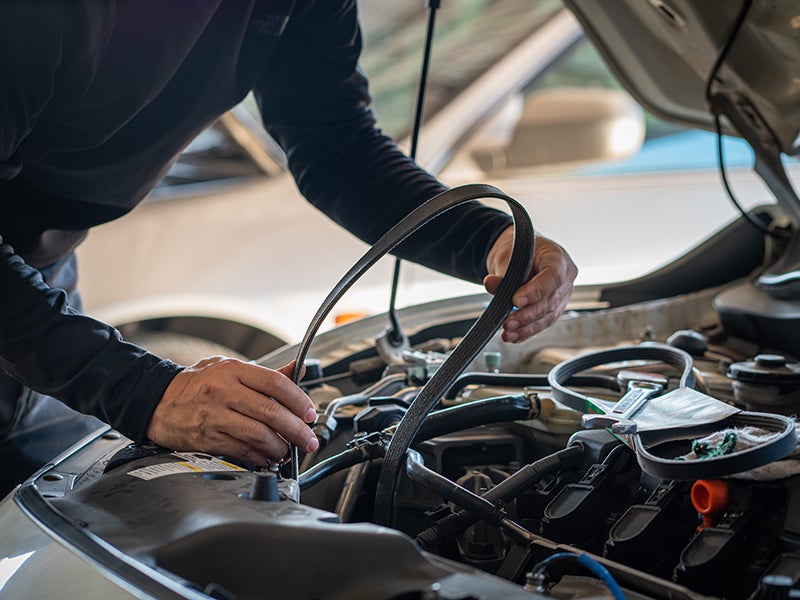

Engine Belts: What They Are, What They Do, and When to Replace Them Strange squealing noises or a sudden dashboard warning light can quickly ruin your daily drive. Engine belts keep your car running smoothly by doing the heavy lifting every time you start the ignition, and a failing belt causes serious problems fast. Read on for a clear guide to engine belts, or reach out to our team at Weeks in Benton Automotive Group in Benton, IL for more information and expert vehicle care. What Are Engine Belts and Why Do They Matter Engine belts are durable rubber loops that transfer power from the engine's crankshaft to other vital components. They drive your alternator, power steering pump, air conditioning compressor, and water pump. Understanding how these parts function helps you keep your car in peak condition. The Serpentine Belt Modern vehicles rely on the serpentine belt to power several accessories at once. This continuous belt snakes around multiple pulleys to run the alternator, air conditioning compressor, and power steering pump simultaneously. Because it powers so many systems, a failing serpentine belt disables multiple components at once. Manufacturers generally recommend replacing it every 60,000 to 100,000 miles, though your owner's manual lists your vehicle's exact interval. The Timing Belt The timing belt synchronizes the rotation of the crankshaft and camshaft so your engine's valves open and close at the exact right moments. If a timing belt breaks while you drive, it causes severe engine damage. Some cars use a longer-lasting timing chain, but if your vehicle uses a timing belt, you must follow the manufacturer's replacement schedule of every 60,000 to 105,000 miles. How to Tell if Something Is Wrong With Your Engine Belts Spotting the warning signs of a worn engine belt saves you from sudden breakdowns. A high-pitched squealing or chirping noise from the front of the car often points to a worn serpentine belt. You might also notice an illuminated battery warning light, heavy steering, or an overheating engine. Visible cracking, fraying, or glazing on the belt surface also require prompt attention. Drivers in Benton, IL should act fast when these symptoms appear, as a minor squeak can quickly escalate. What Maintenance Do Engine Belts Need Routine inspection is the best maintenance for your engine belts. During regular oil changes, a technician checks the belts for cracks, wear, glazing, and proper tension. Technicians also verify pulley alignment, since misalignment accelerates wear. Replacing a belt proactively as it approaches its recommended mileage interval prevents unexpected roadside failures. Visit Weeks in Benton Automotive Group for Belt Service If you need a routine inspection or hear an unusual noise from your engine bay, the certified technicians at Weeks in Benton Automotive Group in Benton, IL can help. Proactive belt maintenance protects your vehicle and prevents expensive repairs. Stop by our dealership or schedule your service appointment online to keep your car running reliably.