


When the battery light comes on in your Chrysler, it’s more than just an annoying dashboard warning—it’s a sign that something is wrong with your vehicle’s charging system. Whether you’re behind the wheel of a 2025 Chrysler Pacifica or another model, this light typically points to issues with the alternator, battery, or electrical connections. Ignoring it could leave you with a drained battery and a car that won’t start when you need it most.
So, what exactly does it mean when your Chrysler’s battery light turns on, and what should you do about it? In this guide, we’ll break down the possible causes, warning signs, and solutions to keep your vehicle running smoothly. And if you need expert help, Weeks in Benton is here for you. Stop by or contact us for professional battery service near Johnston City before a small issue turns into a major problem!
What Does It Mean If Your Chrysler Battery Light Is On?
When the battery light turns on in your Chrysler, it means something is wrong with the charging system. This light is an early warning that your vehicle’s power source is not working as it should. If left unchecked, the battery may drain, and your car could stop running.
The 2025 Chrysler Pacifica relies on a steady power supply to keep its systems running. A working Chrysler battery is key to starting the engine, running lights, and powering other electronics. If the battery light appears, your vehicle may not be getting the charge it needs.
Common reasons the battery light turns on:
- Failing alternator – The alternator charges the battery while the engine is running. If it fails, the battery will drain.
- Loose or corroded cables – Damaged battery cables can stop the power from flowing correctly.
- Aging battery – Batteries lose strength over time and may not hold a charge as well as before.
- Serpentine belt issues – A worn or broken belt can stop the alternator from working properly.
Understanding what the battery light means helps you take the right steps to fix the issue. In the next section, we’ll go over the most common reasons this warning appears in your 2025 Chrysler Pacifica.
Common Causes of the Chrysler Pacifica Battery Light
The battery light in your 2025 Chrysler Pacifica can turn on for many reasons. Some are simple fixes, while others may require expert service. If you see this warning, it’s important to find the cause before your vehicle loses power.
Some of the most common causes include:
- Weak or dead battery – If the battery is old, it may not hold a charge.
- Bad alternator – The alternator keeps the battery charged. If it fails, the battery light will turn on.
- Loose or damaged cables – Worn or corroded battery cables can stop power from flowing properly.
- Faulty voltage regulator – This part controls how much power goes to the battery. If it malfunctions, the battery may not charge.
- Broken serpentine belt – If the belt that drives the alternator breaks, the charging system will stop working.
- Blown fuse – A damaged fuse can disrupt the electrical system, causing the battery light to appear.
If you’re unsure what’s causing the issue, seeking battery service near Johnston can help. A trained technician can test your battery and charging system to find the problem. Catching these issues early can prevent bigger repairs down the road.
Symptoms That Accompany the Battery Warning Light
When the Chrysler Pacifica battery light turns on, you may notice other signs of trouble. These symptoms can help you figure out what’s wrong before your car loses power.
Common symptoms include:
- Dim or flickering headlights – If your lights get weaker, the battery may not be charging properly.
- Slow engine start – A weak battery may cause the engine to crank slowly or not start at all.
- Electrical issues – Power windows, the radio, and other electronics may work poorly or stop working.
- Warning messages – Your vehicle’s dashboard may display other alerts related to the charging system.
- Burning smell – A hot or burning odor can mean the alternator is overheating or the wiring is damaged.
- Sudden stalling – If the alternator fails, your vehicle may shut off while driving.
Ignoring these signs can lead to a dead battery or a car that won’t start. If you notice any of these issues, it’s best to get your 2025 Chrysler Pacifica checked right away.
Diagnosing the Issue: What to Check First
If your Chrysler Pacifica battery warning light turns on, a quick check can help you figure out the cause. Here are a few things to inspect before seeking professional help.
1. Check the Battery Connections
- Make sure the battery cables are tight and free of corrosion.
- Look for loose or frayed wires that may interrupt power flow.
2. Inspect the Alternator
- If the alternator is failing, the battery won’t charge properly.
- Listen for unusual noises like whining or grinding, which could indicate an issue.
3. Test the Battery
- A weak or old battery may no longer hold a charge.
- If your battery is more than three years old, it may be time for a replacement.
4. Look at the Drive Belt
- The alternator belt should be tight and free of cracks.
- A loose or broken belt can prevent the battery from charging.
If you’ve checked these areas and the 2025 Chrysler Pacifica still shows a warning light, professional service may be needed.
When to Seek Chrysler Battery Service Near Johnston City
Some battery issues can be fixed with simple maintenance, but others require expert attention. If your Chrysler Pacifica battery replacement is needed, waiting too long could leave you stranded.
Signs You Need Professional Battery Service
- The battery warning light stays on – This could indicate a failing alternator, weak battery, or electrical problem.
- Slow engine start – If your car struggles to start, the battery may not hold enough charge.
- Dim headlights or flickering interior lights – A weak battery can’t supply enough power to electrical components.
- Frequent jump-starts needed – If you need to jump your car often, the battery may no longer hold a charge.
Where to Get Help
If you notice these signs, it’s best to schedule battery service near Johnston as soon as possible. A trained technician can inspect your system, test the battery, and replace it if needed.
Chrysler Pacifica Battery Replacement: What to Expect
A working battery is key to keeping your vehicle running. If your battery is weak, replacing it before it fails can save you from getting stranded. Knowing what to expect when replacing a car battery can help you prepare.
Steps in a Battery Replacement
A battery replacement is a quick but important process. Here’s what happens during the service:
- Battery Inspection & Testing – A technician will check your battery’s voltage and health. If it’s weak, replacement is the best option.
- Removing the Old Battery – The technician disconnects the cables, removes securing brackets, and lifts out the battery carefully.
- Installing the New Battery – A new battery is placed securely, and all connections are tightened to ensure a strong electrical flow.
- Resetting the System – Some vehicles need an electronic reset after a new battery is installed. The technician ensures all systems function correctly.
- Final Check – The vehicle is tested to confirm it starts properly and that electrical components work as they should.
How Long Does a Battery Replacement Take?
A standard battery replacement takes about 30 minutes to an hour. If the battery is in a hard-to-reach location, such as under a seat or in a fender well, the process could take longer.
After the replacement, your vehicle should start easily, and you won’t have to worry about electrical issues caused by a weak battery.
How Long Does a Chrysler Pacifica Battery Last?
Batteries wear out over time, and knowing when to replace yours can help prevent unexpected failures. Many factors affect battery life, but general guidelines can help you plan.
Typical Battery Lifespan
- Most car batteries last three to five years under normal driving conditions.
- Hot or cold climates can shorten battery life. Extreme heat can cause faster wear, while cold weather can reduce performance.
- Short trips that don’t allow the battery to recharge fully can cause it to wear out faster.
A simple battery test during routine maintenance can help you stay ahead of potential problems.
Preventing Future Battery Problems
Taking care of your battery can help it last longer and reduce the chances of sudden failure. A few simple habits can keep your battery in good shape.
Best Practices for Battery Maintenance
- Drive Regularly – Short trips prevent the battery from fully recharging. Longer drives help maintain a strong charge.
- Turn Off Electronics – Leaving lights or accessories on when the engine is off drains the battery. Always check before exiting the vehicle.
- Inspect for Corrosion – Battery terminals can develop corrosion, blocking power flow. Cleaning them with a brush and baking soda solution helps prevent buildup.
- Protect Your Battery from Temperature Extremes – Parking in a garage or shaded area can help protect your battery from excessive heat or cold, which can weaken it.
- Schedule Routine Battery Checks – Many service centers can check battery health as part of routine maintenance. This helps catch problems early.
If your battery light stays on, it’s best to have your vehicle checked as soon as possible. Ignoring it can lead to a dead battery or electrical system issues.
Chrysler Battery Warning Light Frequently Asked Questions
If you have questions about the battery warning light in your Chrysler, you are not alone. Understanding what this light means and how to respond can help you prevent unexpected breakdowns and costly repairs. Here are some common questions and their answers:
Can I still drive if my Chrysler’s battery light is on?
It is not advisable to continue driving with the battery warning light on. This light indicates a potential issue with your vehicle’s charging system. If ignored, your battery may lose power, causing your vehicle to stall or fail to start.
Does the battery warning light always mean the alternator is bad?
No, the battery warning light does not always indicate a failing alternator. It may also signal a weak battery, a loose or corroded connection, or a faulty serpentine belt. A thorough inspection is needed to determine the exact cause.
How do I fix the battery warning light in a Chrysler?
To fix the battery warning light, check the battery terminals for corrosion or looseness. Inspect the alternator and serpentine belt for damage. If the problem persists, have a professional test the charging system and replace any faulty components.
Why is my battery warning light on, but my car runs fine?
If your battery warning light is on but your vehicle is still running, it may indicate an issue with the charging system that has not yet caused a complete failure. Your battery may still have enough charge to operate, but the system is not replenishing it properly. It is important to have the vehicle inspected as soon as possible.
Addressing battery issues early can help prevent more serious electrical problems. If you are unsure about the cause of your battery warning light, it is best to seek professional assistance.
Visit Weeks in Benton for Expert Service and Quality Vehicles
If your Chrysler’s battery warning light is on, do not wait until it becomes a bigger problem. The team at Weeks in Benton is here to help. Whether you need a battery inspection, replacement, or expert advice, we are ready to assist you.
Drivers in Benton and Johnston City are invited to explore our wide selection of vehicles, including the 2025 Chrysler Pacifica. Whether you are searching for a family-friendly van or another dependable model, we have options to fit your needs.
Want to learn more about vehicle maintenance and performance? Find out how to change oil in your truck. If you love off-roading, see how trucks compare to quads. If your vehicle’s sound system is acting up, discover radio issues you may need to fix.
Visit Weeks in Benton today or browse our website for more expert tips and vehicle options!
How to Change the Oil in Your 2025 RAM 1500
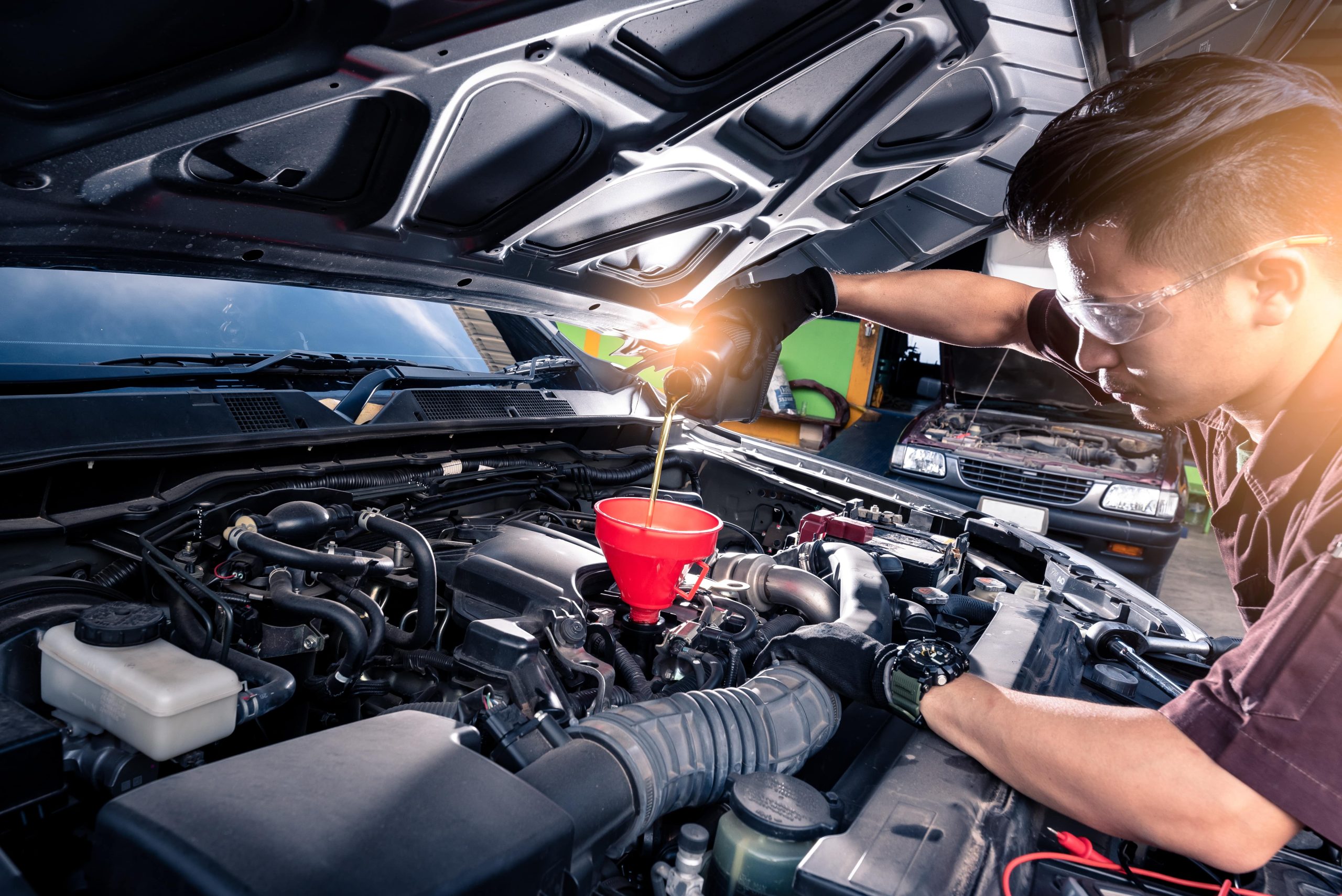
Your 2025 RAM 1500 is built for power, but even the toughest trucks need regular maintenance. One of the simplest yet most important tasks? Changing the oil. Fresh oil keeps your engine running smoothly, improves performance, and helps prevent costly repairs down the road.
Whether you’re a DIY enthusiast or considering professional service, knowing how to perform a proper RAM truck oil change is essential. In this guide, we’ll walk you through the process step by step, from gathering the right tools to ensuring your oil change is done correctly.
If you’d rather leave it to the experts, Weeks in Benton is here to help. Our certified technicians provide fast, reliable oil changes in Benton, IL, using high-quality oil and genuine RAM parts. Keep reading to learn how to change the oil in your 2025 RAM 1500, or stop by our service center for expert care!
What You’ll Need for a RAM Truck Oil Change
Before starting your RAM oil change, gather the right tools and supplies. Using the correct oil and filter is key to keeping your 2025 RAM 1500 running strong.
Tools and Supplies You’ll Need
- Oil filter – A high-quality filter designed for the 2025 RAM 1500.
- Engine oil – RAM recommends 0W-20 full synthetic oil for most models.
- Oil drain pan – To catch the old oil without making a mess.
- Socket wrench and oil filter wrench – For loosening the drain plug and removing the old filter.
- Funnel – To help pour new oil without spills.
- Gloves and shop rags – To keep your hands clean and wipe up drips.
Finding the Right Oil and Filter
Check your owner’s manual for the best oil and filter for your RAM truck oil change. You can also find this information on RAM’s official website or by asking a trusted dealer. Using the wrong oil can harm your engine, so double-check before you buy.
Safety Precautions Before You Begin
- Make sure the engine is cool before changing the oil.
- Park on a flat surface and use wheel chocks if needed.
- Wear gloves to protect your hands from hot oil and sharp edges.
Need the right supplies? Visit Weeks in Benton for expert advice and top-quality parts. We also offer quick, professional oil changes in Benton, IL, if you’d rather leave it to the pros!
Step-by-Step Guide to Changing the Oil in a 2025 RAM 1500
Changing the oil in your 2025 RAM 1500 is easier than you think. Follow these steps to get the job done right.
1. Prepare Your Work Area
Pick a safe spot to work. A garage, driveway, or flat parking area in Benton, IL works best. Make sure the space is well-ventilated. If you need to lift your truck, use jack stands for extra safety.
2. Draining the Old Oil
Find the oil drain plug under your RAM truck. It sits on the bottom of the engine’s oil pan. Place a drain pan underneath to catch the old oil. Use a socket wrench to loosen the plug, then let the oil drain fully. This may take a few minutes.
Once drained, put the drain plug back in place. Do not over-tighten it—this can damage the threads.
3. Replacing the Oil Filter
Locate the oil filter. It’s usually near the front of the engine. Use an oil filter wrench to twist it off. Have a rag ready because some oil may spill.
Before installing the new filter, rub a little fresh oil on the rubber gasket. This helps create a good seal. Screw the new filter on by hand. Do not use a wrench—hand-tight is enough.
4. Adding New Oil
Check your owner’s manual for the correct oil type. Most 2025 RAM 1500 models use 0W-20 full synthetic oil. Use a funnel to pour the new oil into the engine.
Be careful not to overfill. After adding oil, use the dipstick to check the level. Add more if needed.
5. Running the Engine and Final Checks
Start your RAM 1500 and let it run for a minute. This allows the new oil to circulate. Check under the truck for leaks. If you see any, tighten the drain plug or filter.
Finally, reset the oil life indicator on your dashboard. You’re done!
For expert service, visit Weeks in Benton. Our team provides fast, reliable oil changes in Benton, IL, so your truck stays in top shape.
Why Regular Oil Changes Matter for Your 2025 RAM 1500
Oil is the lifeblood of your 2025 RAM 1500. It keeps the engine parts moving smoothly, reduces friction, and prevents overheating. Without clean oil, your truck’s engine will wear down fast. That can lead to expensive repairs or even engine failure.
Over time, oil breaks down. Dirt and debris build up, making it less effective. If you skip a RAM oil change, your truck’s performance will suffer. You may notice lower fuel efficiency, strange noises, or sluggish acceleration. Ignoring oil changes for too long can even shorten the life of your RAM 1500.
So, how often should you change your oil? RAM recommends every 8,000 to 10,000 miles for normal driving. But if you tow heavy loads or drive in extreme weather, you may need more frequent oil changes. Checking your owner’s manual is the best way to know what’s right for your truck.
Not sure if it’s time for a RAM truck oil change? Watch for warning signs. A burning oil smell, low oil levels, or a dashboard warning light means it’s time. Dark or gritty oil on the dipstick is another clue.
Staying on top of oil changes in Benton, IL will keep your RAM 1500 running strong. Need expert service? Stop by Weeks in Benton, where our technicians are ready to help!
How Often Should You Schedule an Oil Change in Benton, IL?
Keeping up with RAM oil changes is key to keeping your 2025 RAM 1500 running strong. But how often should you change your oil?
Standard Oil Change Interval
RAM recommends changing the oil every 8,000 to 10,000 miles if you use full synthetic oil. If you drive less often, you should change it at least once a year.
Older trucks needed oil changes every 3,000 to 5,000 miles. Thanks to better engines and synthetic oil, newer RAM models can go longer.
Factors That Affect Your Oil Change Schedule
Some trucks need oil changes more often. If you tow heavy loads, drive in stop-and-go traffic, or face extreme heat or cold, your oil breaks down faster. Benton, IL, has hot summers and cold winters, which can affect engine oil.
Frequent short trips also make oil wear out faster. If you rarely drive long distances, schedule a RAM truck oil change more often.
Where to Get a Professional RAM Oil Change in Benton, IL
Changing your own oil can save money, but it’s not always the best choice. If you don’t have the right tools, space, or time, a professional RAM oil change is the way to go.
DIY vs. Professional Oil Changes
If you enjoy working on your 2025 RAM 1500, you can change the oil yourself. But mistakes can happen. Using the wrong oil, over-tightening parts, or missing a leak can lead to costly repairs.
A RAM truck oil change at a professional shop ensures the job is done right. Plus, it’s fast and hassle-free.
Why Choose Weeks in Benton for an Oil Change?
At Weeks in Benton, we offer quick, expert oil changes in Benton, IL. Our certified technicians use genuine RAM parts and high-quality oil to keep your truck in top shape.
We also check your filters, fluids, and tire pressure at no extra charge. You get expert service and peace of mind all in one visit.
The Benefits of Dealership Service
Choosing a dealership means your RAM 1500 gets the best care. Our team knows RAM trucks inside and out. We follow factory guidelines and offer service specials to help you save.
Need an oil change in Benton, IL? Visit Weeks in Benton today for fast, professional service!
How often do you change the oil in a RAM 1500?
A 2025 RAM 1500 requires an oil change every 8,000 to 10,000 miles when using full synthetic oil. If you frequently tow, drive in extreme weather, or make short trips, you may need an oil change more often.
If you have more questions about your RAM truck oil change, visit Weeks in Benton for expert advice and service.
Keep Your RAM 1500 Running Strong—Visit Weeks in Benton Today!
Regular RAM truck oil changes keep your 2025 RAM 1500 in peak condition. Whether you handle maintenance yourself or prefer professional service, staying on top of oil changes protects your engine and extends your truck’s life.
If you’re in Benton, IL, stop by Weeks in Benton for expert service, high-quality oil changes, and a wide selection of vehicles, including the powerful 2025 RAM 1500. Our team is here to help with everything from routine maintenance to finding your next truck.
Looking for more automotive insights? Whether you’re comparing trucks vs. quads for off-roading, troubleshooting why your car’s radio isn’t working, or exploring the versatility of the Polaris RZR, we have the resources you need. Check out our latest guides and stay informed!
Have questions or need to schedule an oil change in Benton, IL? Contact Weeks in Benton today!
Trucks vs Quads: What’s Better for Off-Roading
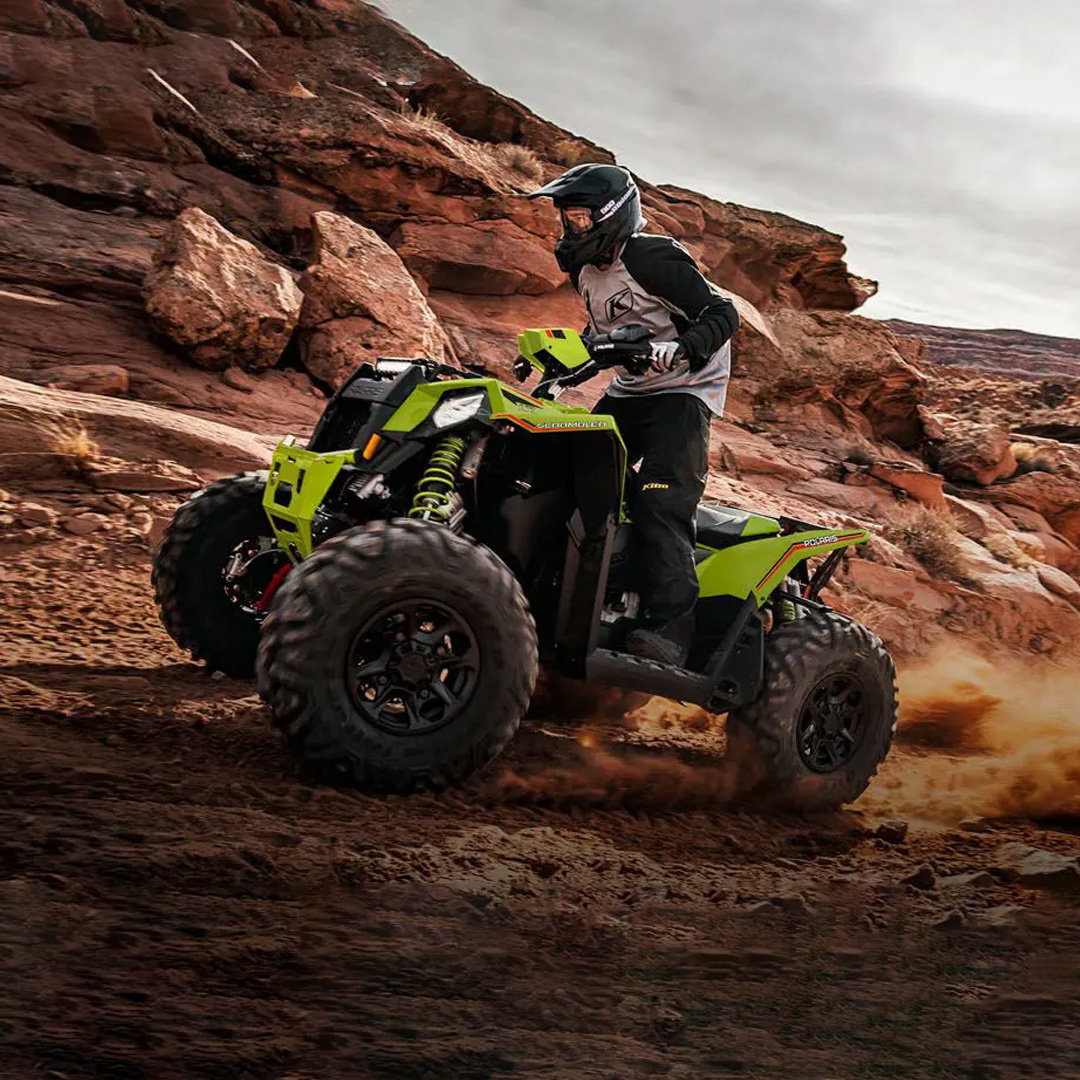
When it comes to off-roading, there’s nothing quite like the thrill of conquering rugged trails, climbing rocky hills, or powering through mud. But one question always sparks debate among Benton’s off-road enthusiasts: What’s better for off-roading—trucks or quads?
Some swear by the sheer power and versatility of off-road trucks like the Chevrolet Colorado or Jeep Wrangler, while others live for the agility and adrenaline rush of quads like the Polaris Sportsman. Whether you’re tearing through Benton’s narrow forest paths or hauling gear for a weekend camping trip, the right vehicle makes all the difference.
Curious which option fits your off-road adventures best? Let’s break it down—and when you’re ready to get behind the wheel or handlebars, visit Weeks in Benton to find the perfect truck or quad for your next trailblazing journey!
What Defines the Perfect Off-Roading Vehicle?
The perfect off-roading vehicle depends on what you need and where you’re going. Benton’s rugged trails, muddy paths, and rocky hills demand a ride built to handle it all. But what makes a vehicle “perfect” for off-roading? Let’s break it down.
Capability is key. Whether you choose a truck or a quad, it must handle steep climbs, sharp turns, and uneven ground. Trucks like the Jeep Wrangler or Chevrolet Colorado offer ground clearance and power to tackle big obstacles. Quads, like the Polaris Sportsman, shine on tight, narrow trails where larger trucks might struggle.
Durability matters too. Off-roading can be rough, so your vehicle needs to stand up to rocks, mud, and tough terrain. Trucks and ATVs built for off-road use often feature reinforced suspension systems and rugged tires to absorb impact.
Finally, consider versatility. Trucks vs ATVs for off-road use is all about trade-offs. Trucks can haul gear and passengers for camping or hunting trips. Quads, on the other hand, are lighter and more agile. This makes them great for quick, fun rides.
When choosing trucks or quads off-road, think about what you’ll use them for. The best off-road vehicles—trucks or quads—are the ones that fit your style.
The Appeal of Off-Roading Trucks: Power and Versatility
When it comes to off-roading, trucks have a clear edge in power and versatility. Benton’s rough trails and rocky terrain call for vehicles that can handle anything. This is where off-road trucks shine.
One of the biggest advantages of trucks is their ability to conquer a variety of terrains. The Chevrolet Colorado, for example, combines nimbleness with durability, making it ideal for tighter trails or rocky paths. On the other hand, the RAM 2500 is a powerhouse designed to climb steep hills and tackle extreme conditions with ease.
Trucks also stand out with their ability to haul. Need to carry camping gear, fishing equipment, or hunting supplies? A truck can do it all. And it doesn’t stop there—trucks like the Jeep Wrangler also seat passengers comfortably, making them perfect for family adventures.
Off-road trucks come with features that boost comfort and control. The Jeep Wrangler’s Trailhawk package, for instance, adds features like skid plates, off-road tires, and enhanced suspension.
Trucks dominate in scenarios like long-distance trips, gear-heavy outings, or family-friendly adventures. If you’re deciding between trucks vs ATVs for off-road use, trucks are the best choice when power and flexibility are your top priorities.
Why Benton Riders Love Quads for Off-Road Adventures
For Benton’s off-roaders, quads and ATVs are all about freedom and fun. These lightweight machines bring excitement to every ride. While off-road trucks vs quad bikes each have their strengths, quads shine in unique ways.
One major advantage of quads is their agility. Benton’s trails often wind through narrow paths and dense forests where larger vehicles can’t go. A Polaris Sportsman, for instance, handles these tight spots with ease. Its small size makes it a perfect fit for sharp turns and uneven trails.
Quads also win in affordability and maintenance. Compared to trucks, quads like the Polaris Sportsman are less costly upfront. They’re also simpler to maintain, which means fewer expenses over time.
The fun factor is unbeatable too. There’s nothing quite like the rush of zipping through mud and climbing hills on a Polaris Ranger XP. It’s an experience that’s hard to match in a larger vehicle.
Quads come out on top for quick rides and exploring less accessible terrain. If you’re choosing trucks or quads off-road, quads are your best bet for pure fun and easy handling. For Benton riders who love adventure, ATVs are a top pick for the best off-road vehicles—trucks and quads included.
Key Performance Areas: Trucks vs Quads Off-Roading Showdown
When it comes to off-roading, trucks and quads each have their own strengths. Let’s compare them across key areas to help you decide.
Terrain Versatility:
Trucks like the Jeep Wrangler and RAM 2500 handle rocky hills, deep mud, and sand with ease. Their higher clearance and off-road tires make them great for rough terrain. Quads, however, shine on tighter trails and uneven ground. A Polaris Sportsman can weave through dense trees and steep paths where trucks might struggle.
Power and Towing:
For towing heavy loads, trucks are unmatched. The RAM 2500, for example, can tow large trailers, ATVs, or even boats. Quads can’t compete here but excel in lightweight agility, making them ideal for quick trips on rugged trails.
Storage:
Trucks win hands down when it comes to gear. With a bed for hauling and room for passengers, they’re built for big adventures. Quads, however, are better suited for riders traveling light and fast.
Durability and Wear:
Trucks and quads both handle tough terrain well. Trucks are built for heavy-duty tasks, while quads, like the Polaris Ranger XP, are designed to withstand frequent off-road challenges.
Cost:
Trucks are more expensive upfront but may last longer with proper care. Quads are less costly but can have higher maintenance needs if heavily used.
When choosing trucks or quads off-road, think about your priorities. The best off-road vehicles—trucks or quads—depend on the terrain, your budget, and how you plan to use them.
Best Off-Roading Vehicles for Benton’s Trails
Benton’s trails offer a mix of rugged terrain, narrow paths, and muddy stretches, making vehicle choice essential. Whether you’re looking for power, agility, or versatility, these trucks and quads are among the best off-road vehicles for Benton’s adventurous landscape.
For Truck Lovers:
- Chevrolet Colorado: Compact yet powerful, the Chevrolet Colorado is perfect for Benton’s local trails. Its nimbleness makes it easy to maneuver through tight turns while still offering enough ground clearance for rough terrain.
- Jeep Wrangler: An icon in off-road performance, the Jeep Wrangler is built for rock crawling and deep mud. Its adventure-ready features, like advanced suspension and skid plates, ensure you can handle anything Benton’s trails throw your way.
- RAM 2500: When you need serious towing power or extreme durability, the RAM 2500 delivers. It’s ideal for hauling trailers, gear, or even other off-road vehicles, all while conquering steep hills and uneven paths.
For Quad Enthusiasts:
- Polaris Ranger XP: A favorite for both work and play, the Polaris Ranger XP combines power with utility. Whether navigating rocky trails or muddy paths, it’s a go-to choice for Benton’s quad riders.
- Polaris Sportsman: If you’re seeking a mix of adventure and simplicity, the Polaris Sportsman is perfect for you. It’s lightweight, agile, and ideal for casual riders exploring Benton’s woods or narrow trails.
When choosing trucks or quads off-road, it’s all about matching the vehicle to your needs. Trucks like the Jeep Wrangler dominate rugged paths, while quads like the Polaris Ranger XP offer unmatched mobility. Benton’s off-roaders can’t go wrong with these trail-ready machines!
Factors to Consider When Choosing Trucks or Quads for Off-Road
Choosing between trucks and quads for off-roading comes down to a few key factors. Each vehicle type offers unique benefits, but your decision should match your needs, lifestyle, and Benton’s trails.
Budget:
Cost is a big factor when deciding between trucks vs ATVs for off-road adventures. Trucks like the RAM 2500 or Jeep Wrangler demand a higher initial investment, but they’re built to last and handle heavy use. Quads like the Polaris Sportsman are more affordable upfront, but frequent off-road trips can lead to higher maintenance costs over time.
Purpose:
Think about how you’ll use the vehicle. Trucks are ideal for hauling, long-distance trips, or family outings. A Chevrolet Colorado, for example, offers a balance of capability and passenger space. On the other hand, quads like the Polaris Ranger XP are better for quick recreational rides or light-duty work.
Local Terrain:
Benton’s trails range from narrow wooded paths to steep, rocky hills. Trucks excel on open terrain and challenging climbs. Quads, with their smaller size and agility, handle tight spaces and uneven ground with ease.
Storage and Transport Needs:
Trucks win in storage, offering plenty of room for gear or passengers. However, they’re less convenient in tight parking spaces. Quads, though easy to maneuver on trails, may require a trailer for transport.
When choosing trucks or quads off-road, weigh your budget, terrain, and how you’ll use the vehicle. Both have their strengths, but the best off-road vehicles for Benton depend on what you value most.
The Verdict: Which Off-Roading Machine is Best for You?
When it comes to trucks vs quads off-roading, the best choice depends on your lifestyle, needs, and Benton’s trails. Both options bring unique strengths to the table, so it’s about what fits your goals.
If you’re looking for versatility and long-haul capability, trucks are hard to beat. A Jeep Wrangler offers off-road performance combined with comfort, while the RAM 2500 is built to tow heavy loads or handle rough terrain with ease. Trucks also shine when you need storage space, whether it’s for camping gear, tools, or even extra passengers.
On the other hand, quads are perfect for those seeking fun and agility. The Polaris Sportsman is excellent for exploring narrow trails or weaving through dense woods. For utility and recreation, the Polaris Ranger XP provides a balance of workhorse functionality and adventurous spirit. Quads offer pure excitement on Benton’s tighter paths, giving you an unmatched connection to the terrain.
Ultimately, choosing trucks or quads off-road comes down to how you’ll use the vehicle. Trucks deliver power and practicality for big adventures, while quads focus on maneuverability and thrill. Both are among the best off-road vehicles for Benton, so the final call is yours to make!
What are the key advantages of using trucks over quads for off-roading?
Trucks offer greater storage, towing capacity, and versatility for long-distance adventures. They’re ideal for carrying passengers and heavy gear.
How do maneuverability and terrain capabilities compare between trucks and quads?
Quads are more agile on narrow trails and uneven terrain. Trucks excel on open paths, rocky climbs, and mixed surfaces.
What safety and maintenance considerations should I be aware of for each option?
Trucks provide a safer enclosed cabin and advanced safety systems but come with higher maintenance costs. Quads require regular upkeep, especially for their suspension and tires, and riders must use proper protective gear.
Which vehicle is more cost-effective for off-road enthusiasts, trucks or quads?
Quads are generally more affordable upfront and easier to maintain. However, trucks provide long-term value for those needing durability and utility.
Are there specific off-road scenarios where trucks outperform quads, or vice versa?
Trucks outperform quads in scenarios requiring heavy towing, storage, or long trips. Quads are better for quick trail rides and tight, wooded paths.
Find Your Perfect Off-Road Vehicle at Weeks in Benton
Choosing between trucks and quads for off-roading depends on your lifestyle, and Weeks in Benton is here to help. Whether you’re drawn to the power of the RAM 2500, the nimbleness of the Chevrolet Colorado, or the pure thrill of the Polaris Sportsman, we’ve got you covered. We proudly offer a wide selection of vehicles, including the Jeep Grand Cherokee, Jeep Wrangler, and Polaris Ranger XP, tailored to meet Benton’s off-road enthusiasts’ needs.
Our team is ready to guide you through the decision-making process, from understanding key features to finding the perfect vehicle for Benton’s trails. Need more information? Contact Weeks in Benton today or visit our dealership to explore your options firsthand.
While you’re here, don’t forget to check out some of our other helpful guides! If you’ve ever struggled with a car radio that suddenly stops working, or if you’re curious about the top uses for the Polaris RZR, we’ve got insights to keep you informed. Plus, if you think your vehicle might need attention, make sure to read about key warning signs that indicate it’s time for maintenance.
At Weeks in Benton, we’re passionate about helping you hit the trails with the right off-road machine. Visit us today to find your next adventure!
Hello world!
Welcome to WordPress. This is your first post. Edit or delete it, then start writing!
Connect with us

