
When it comes to off-roading, there’s nothing quite like the thrill of conquering rugged trails, climbing rocky hills, or powering through mud. But one question always sparks debate among Benton’s off-road enthusiasts: What’s better for off-roading—trucks or quads?
Some swear by the sheer power and versatility of off-road trucks like the Chevrolet Colorado or Jeep Wrangler, while others live for the agility and adrenaline rush of quads like the Polaris Sportsman. Whether you’re tearing through Benton’s narrow forest paths or hauling gear for a weekend camping trip, the right vehicle makes all the difference.
Curious which option fits your off-road adventures best? Let’s break it down—and when you’re ready to get behind the wheel or handlebars, visit Weeks in Benton to find the perfect truck or quad for your next trailblazing journey!
What Defines the Perfect Off-Roading Vehicle?
The perfect off-roading vehicle depends on what you need and where you’re going. Benton’s rugged trails, muddy paths, and rocky hills demand a ride built to handle it all. But what makes a vehicle “perfect” for off-roading? Let’s break it down.
Capability is key. Whether you choose a truck or a quad, it must handle steep climbs, sharp turns, and uneven ground. Trucks like the Jeep Wrangler or Chevrolet Colorado offer ground clearance and power to tackle big obstacles. Quads, like the Polaris Sportsman, shine on tight, narrow trails where larger trucks might struggle.
Durability matters too. Off-roading can be rough, so your vehicle needs to stand up to rocks, mud, and tough terrain. Trucks and ATVs built for off-road use often feature reinforced suspension systems and rugged tires to absorb impact.
Finally, consider versatility. Trucks vs ATVs for off-road use is all about trade-offs. Trucks can haul gear and passengers for camping or hunting trips. Quads, on the other hand, are lighter and more agile. This makes them great for quick, fun rides.
When choosing trucks or quads off-road, think about what you’ll use them for. The best off-road vehicles—trucks or quads—are the ones that fit your style.
The Appeal of Off-Roading Trucks: Power and Versatility
When it comes to off-roading, trucks have a clear edge in power and versatility. Benton’s rough trails and rocky terrain call for vehicles that can handle anything. This is where off-road trucks shine.
One of the biggest advantages of trucks is their ability to conquer a variety of terrains. The Chevrolet Colorado, for example, combines nimbleness with durability, making it ideal for tighter trails or rocky paths. On the other hand, the RAM 2500 is a powerhouse designed to climb steep hills and tackle extreme conditions with ease.
Trucks also stand out with their ability to haul. Need to carry camping gear, fishing equipment, or hunting supplies? A truck can do it all. And it doesn’t stop there—trucks like the Jeep Wrangler also seat passengers comfortably, making them perfect for family adventures.
Off-road trucks come with features that boost comfort and control. The Jeep Wrangler’s Trailhawk package, for instance, adds features like skid plates, off-road tires, and enhanced suspension.
Trucks dominate in scenarios like long-distance trips, gear-heavy outings, or family-friendly adventures. If you’re deciding between trucks vs ATVs for off-road use, trucks are the best choice when power and flexibility are your top priorities.
Why Benton Riders Love Quads for Off-Road Adventures
For Benton’s off-roaders, quads and ATVs are all about freedom and fun. These lightweight machines bring excitement to every ride. While off-road trucks vs quad bikes each have their strengths, quads shine in unique ways.
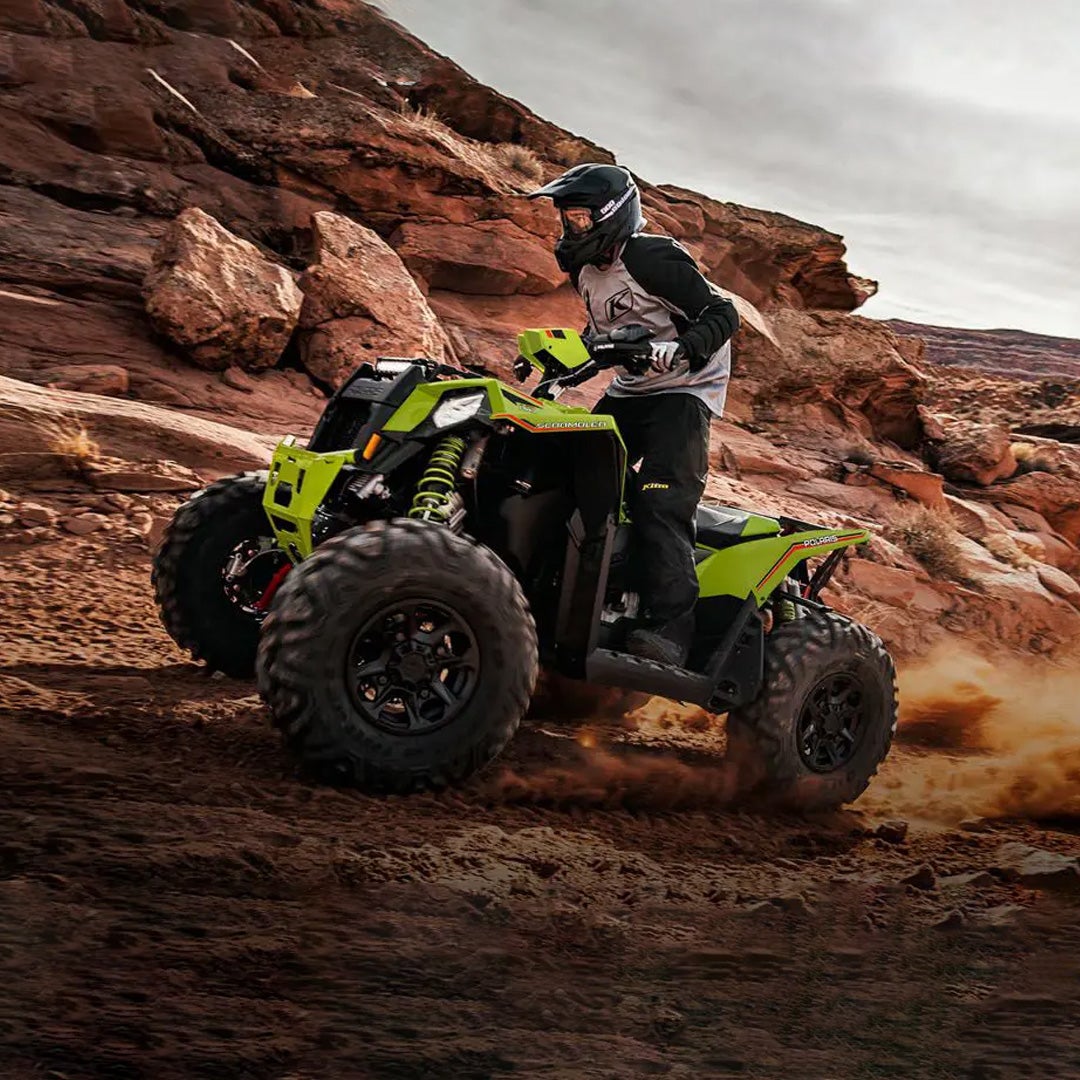
One major advantage of quads is their agility. Benton’s trails often wind through narrow paths and dense forests where larger vehicles can’t go. A Polaris Sportsman, for instance, handles these tight spots with ease. Its small size makes it a perfect fit for sharp turns and uneven trails.
Quads also win in affordability and maintenance. Compared to trucks, quads like the Polaris Sportsman are less costly upfront. They’re also simpler to maintain, which means fewer expenses over time.
The fun factor is unbeatable too. There’s nothing quite like the rush of zipping through mud and climbing hills on a Polaris Ranger XP. It’s an experience that’s hard to match in a larger vehicle.
Quads come out on top for quick rides and exploring less accessible terrain. If you’re choosing trucks or quads off-road, quads are your best bet for pure fun and easy handling. For Benton riders who love adventure, ATVs are a top pick for the best off-road vehicles—trucks and quads included.
Key Performance Areas: Trucks vs Quads Off-Roading Showdown
When it comes to off-roading, trucks and quads each have their own strengths. Let’s compare them across key areas to help you decide.
Terrain Versatility:
Trucks like the Jeep Wrangler and RAM 2500 handle rocky hills, deep mud, and sand with ease. Their higher clearance and off-road tires make them great for rough terrain. Quads, however, shine on tighter trails and uneven ground. A Polaris Sportsman can weave through dense trees and steep paths where trucks might struggle.
Power and Towing:
For towing heavy loads, trucks are unmatched. The RAM 2500, for example, can tow large trailers, ATVs, or even boats. Quads can’t compete here but excel in lightweight agility, making them ideal for quick trips on rugged trails.
Storage:
Trucks win hands down when it comes to gear. With a bed for hauling and room for passengers, they’re built for big adventures. Quads, however, are better suited for riders traveling light and fast.
Durability and Wear:
Trucks and quads both handle tough terrain well. Trucks are built for heavy-duty tasks, while quads, like the Polaris Ranger XP, are designed to withstand frequent off-road challenges.
Cost:
Trucks are more expensive upfront but may last longer with proper care. Quads are less costly but can have higher maintenance needs if heavily used.
When choosing trucks or quads off-road, think about your priorities. The best off-road vehicles—trucks or quads—depend on the terrain, your budget, and how you plan to use them.
Best Off-Roading Vehicles for Benton’s Trails
Benton’s trails offer a mix of rugged terrain, narrow paths, and muddy stretches, making vehicle choice essential. Whether you’re looking for power, agility, or versatility, these trucks and quads are among the best off-road vehicles for Benton’s adventurous landscape.
For Truck Lovers:
- Chevrolet Colorado: Compact yet powerful, the Chevrolet Colorado is perfect for Benton’s local trails. Its nimbleness makes it easy to maneuver through tight turns while still offering enough ground clearance for rough terrain.
- Jeep Wrangler: An icon in off-road performance, the Jeep Wrangler is built for rock crawling and deep mud. Its adventure-ready features, like advanced suspension and skid plates, ensure you can handle anything Benton’s trails throw your way.
- RAM 2500: When you need serious towing power or extreme durability, the RAM 2500 delivers. It’s ideal for hauling trailers, gear, or even other off-road vehicles, all while conquering steep hills and uneven paths.
For Quad Enthusiasts:
- Polaris Ranger XP: A favorite for both work and play, the Polaris Ranger XP combines power with utility. Whether navigating rocky trails or muddy paths, it’s a go-to choice for Benton’s quad riders.
- Polaris Sportsman: If you’re seeking a mix of adventure and simplicity, the Polaris Sportsman is perfect for you. It’s lightweight, agile, and ideal for casual riders exploring Benton’s woods or narrow trails.
When choosing trucks or quads off-road, it’s all about matching the vehicle to your needs. Trucks like the Jeep Wrangler dominate rugged paths, while quads like the Polaris Ranger XP offer unmatched mobility. Benton’s off-roaders can’t go wrong with these trail-ready machines!
Factors to Consider When Choosing Trucks or Quads for Off-Road
Choosing between trucks and quads for off-roading comes down to a few key factors. Each vehicle type offers unique benefits, but your decision should match your needs, lifestyle, and Benton’s trails.
Budget:
Cost is a big factor when deciding between trucks vs ATVs for off-road adventures. Trucks like the RAM 2500 or Jeep Wrangler demand a higher initial investment, but they’re built to last and handle heavy use. Quads like the Polaris Sportsman are more affordable upfront, but frequent off-road trips can lead to higher maintenance costs over time.
Purpose:
Think about how you’ll use the vehicle. Trucks are ideal for hauling, long-distance trips, or family outings. A Chevrolet Colorado, for example, offers a balance of capability and passenger space. On the other hand, quads like the Polaris Ranger XP are better for quick recreational rides or light-duty work.
Local Terrain:
Benton’s trails range from narrow wooded paths to steep, rocky hills. Trucks excel on open terrain and challenging climbs. Quads, with their smaller size and agility, handle tight spaces and uneven ground with ease.
Storage and Transport Needs:
Trucks win in storage, offering plenty of room for gear or passengers. However, they’re less convenient in tight parking spaces. Quads, though easy to maneuver on trails, may require a trailer for transport.
When choosing trucks or quads off-road, weigh your budget, terrain, and how you’ll use the vehicle. Both have their strengths, but the best off-road vehicles for Benton depend on what you value most.
The Verdict: Which Off-Roading Machine is Best for You?
When it comes to trucks vs quads off-roading, the best choice depends on your lifestyle, needs, and Benton’s trails. Both options bring unique strengths to the table, so it’s about what fits your goals.
If you’re looking for versatility and long-haul capability, trucks are hard to beat. A Jeep Wrangler offers off-road performance combined with comfort, while the RAM 2500 is built to tow heavy loads or handle rough terrain with ease. Trucks also shine when you need storage space, whether it’s for camping gear, tools, or even extra passengers.
On the other hand, quads are perfect for those seeking fun and agility. The Polaris Sportsman is excellent for exploring narrow trails or weaving through dense woods. For utility and recreation, the Polaris Ranger XP provides a balance of workhorse functionality and adventurous spirit. Quads offer pure excitement on Benton’s tighter paths, giving you an unmatched connection to the terrain.
Ultimately, choosing trucks or quads off-road comes down to how you’ll use the vehicle. Trucks deliver power and practicality for big adventures, while quads focus on maneuverability and thrill. Both are among the best off-road vehicles for Benton, so the final call is yours to make!
What are the key advantages of using trucks over quads for off-roading?
Trucks offer greater storage, towing capacity, and versatility for long-distance adventures. They’re ideal for carrying passengers and heavy gear.
How do maneuverability and terrain capabilities compare between trucks and quads?
Quads are more agile on narrow trails and uneven terrain. Trucks excel on open paths, rocky climbs, and mixed surfaces.
What safety and maintenance considerations should I be aware of for each option?
Trucks provide a safer enclosed cabin and advanced safety systems but come with higher maintenance costs. Quads require regular upkeep, especially for their suspension and tires, and riders must use proper protective gear.
Which vehicle is more cost-effective for off-road enthusiasts, trucks or quads?
Quads are generally more affordable upfront and easier to maintain. However, trucks provide long-term value for those needing durability and utility.
Are there specific off-road scenarios where trucks outperform quads, or vice versa?
Trucks outperform quads in scenarios requiring heavy towing, storage, or long trips. Quads are better for quick trail rides and tight, wooded paths.
Find Your Perfect Off-Road Vehicle at Weeks in Benton
Choosing between trucks and quads for off-roading depends on your lifestyle, and Weeks in Benton is here to help. Whether you’re drawn to the power of the RAM 2500, the nimbleness of the Chevrolet Colorado, or the pure thrill of the Polaris Sportsman, we’ve got you covered. We proudly offer a wide selection of vehicles, including the Jeep Grand Cherokee, Jeep Wrangler, and Polaris Ranger XP, tailored to meet Benton’s off-road enthusiasts' needs.
Our team is ready to guide you through the decision-making process, from understanding key features to finding the perfect vehicle for Benton’s trails. Need more information? Contact Weeks in Benton today or visit our dealership to explore your options firsthand.
While you're here, don’t forget to check out some of our other helpful guides! If you’ve ever struggled with a car radio that suddenly stops working, or if you’re curious about the top uses for the Polaris RZR, we’ve got insights to keep you informed. Plus, if you think your vehicle might need attention, make sure to read about key warning signs that indicate it’s time for maintenance.
At Weeks in Benton, we’re passionate about helping you hit the trails with the right off-road machine. Visit us today to find your next adventure!