
Blog

How to Change the Oil in Your 2025 RAM 1500

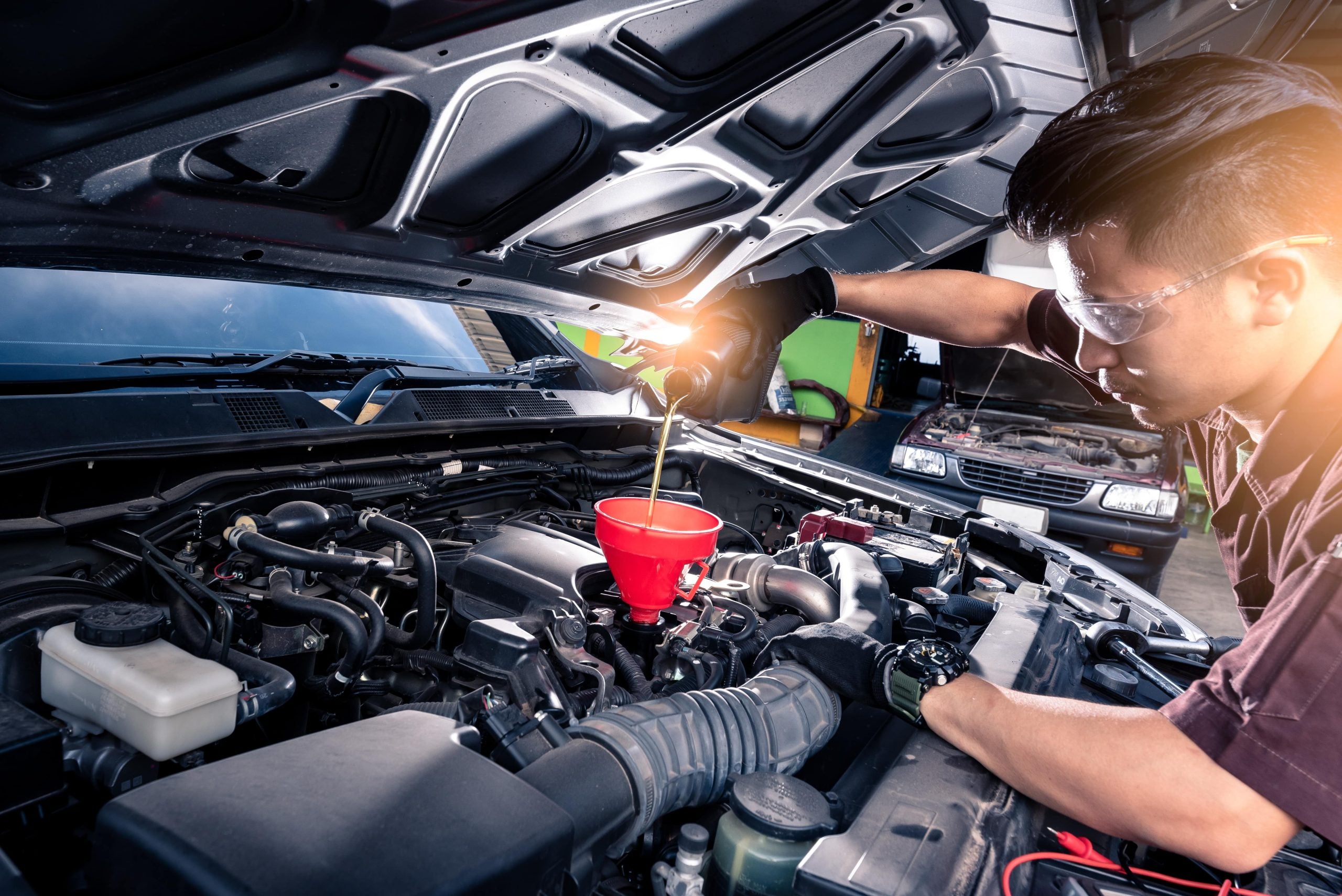
mechanic checking the oil in a car engine

Your 2025 RAM 1500 is built for power, but even the toughest trucks need regular maintenance. One of the simplest yet most important tasks? Changing the oil. Fresh oil keeps your engine running smoothly, improves performance, and helps prevent costly repairs down the road.

Whether you're a DIY enthusiast or considering professional service, knowing how to perform a proper RAM truck oil change is essential. In this guide, we'll walk you through the process step by step, from gathering the right tools to ensuring your oil change is done correctly.

If you'd rather leave it to the experts, Weeks in Benton is here to help. Our certified technicians provide fast, reliable oil changes in Benton, IL, using high-quality oil and genuine RAM parts. Keep reading to learn how to change the oil in your 2025 RAM 1500, or stop by our service center for expert care!

What You’ll Need for a RAM Truck Oil Change

Before starting your RAM oil change, gather the right tools and supplies. Using the correct oil and filter is key to keeping your 2025 RAM 1500 running strong.

Tools and Supplies You’ll Need

  • Oil filter – A high-quality filter designed for the 2025 RAM 1500.
  • Engine oil – RAM recommends 0W-20 full synthetic oil for most models.
  • Oil drain pan – To catch the old oil without making a mess.
  • Socket wrench and oil filter wrench – For loosening the drain plug and removing the old filter.
  • Funnel – To help pour new oil without spills.
  • Gloves and shop rags – To keep your hands clean and wipe up drips.

Finding the Right Oil and Filter

Check your owner’s manual for the best oil and filter for your RAM truck oil change. You can also find this information on RAM’s official website or by asking a trusted dealer. Using the wrong oil can harm your engine, so double-check before you buy.

Safety Precautions Before You Begin

  1. Make sure the engine is cool before changing the oil.
  2. Park on a flat surface and use wheel chocks if needed.
  3. Wear gloves to protect your hands from hot oil and sharp edges.

Need the right supplies? Visit Weeks in Benton for expert advice and top-quality parts. We also offer quick, professional oil changes in Benton, IL, if you'd rather leave it to the pros!

Step-by-Step Guide to Changing the Oil in a 2025 RAM 1500

Changing the oil in your 2025 RAM 1500 is easier than you think. Follow these steps to get the job done right.

1. Prepare Your Work Area

Pick a safe spot to work. A garage, driveway, or flat parking area in Benton, IL works best. Make sure the space is well-ventilated. If you need to lift your truck, use jack stands for extra safety.

2. Draining the Old Oil

Find the oil drain plug under your RAM truck. It sits on the bottom of the engine’s oil pan. Place a drain pan underneath to catch the old oil. Use a socket wrench to loosen the plug, then let the oil drain fully. This may take a few minutes.

Once drained, put the drain plug back in place. Do not over-tighten it—this can damage the threads.

3. Replacing the Oil Filter

Locate the oil filter. It’s usually near the front of the engine. Use an oil filter wrench to twist it off. Have a rag ready because some oil may spill.

Before installing the new filter, rub a little fresh oil on the rubber gasket. This helps create a good seal. Screw the new filter on by hand. Do not use a wrench—hand-tight is enough.

4. Adding New Oil

Check your owner’s manual for the correct oil type. Most 2025 RAM 1500 models use 0W-20 full synthetic oil. Use a funnel to pour the new oil into the engine.

Be careful not to overfill. After adding oil, use the dipstick to check the level. Add more if needed.

5. Running the Engine and Final Checks

Start your RAM 1500 and let it run for a minute. This allows the new oil to circulate. Check under the truck for leaks. If you see any, tighten the drain plug or filter.

Finally, reset the oil life indicator on your dashboard. You’re done!

For expert service, visit Weeks in Benton. Our team provides fast, reliable oil changes in Benton, IL, so your truck stays in top shape.

Why Regular Oil Changes Matter for Your 2025 RAM 1500

Oil is the lifeblood of your 2025 RAM 1500. It keeps the engine parts moving smoothly, reduces friction, and prevents overheating. Without clean oil, your truck's engine will wear down fast. That can lead to expensive repairs or even engine failure.

Over time, oil breaks down. Dirt and debris build up, making it less effective. If you skip a RAM oil change, your truck's performance will suffer. You may notice lower fuel efficiency, strange noises, or sluggish acceleration. Ignoring oil changes for too long can even shorten the life of your RAM 1500.

So, how often should you change your oil? RAM recommends every 8,000 to 10,000 miles for normal driving. But if you tow heavy loads or drive in extreme weather, you may need more frequent oil changes. Checking your owner’s manual is the best way to know what’s right for your truck.

Not sure if it's time for a RAM truck oil change? Watch for warning signs. A burning oil smell, low oil levels, or a dashboard warning light means it’s time. Dark or gritty oil on the dipstick is another clue.

Staying on top of oil changes in Benton, IL will keep your RAM 1500 running strong. Need expert service? Stop by Weeks in Benton, where our technicians are ready to help!

How Often Should You Schedule an Oil Change in Benton, IL?

Keeping up with RAM oil changes is key to keeping your 2025 RAM 1500 running strong. But how often should you change your oil?

Standard Oil Change Interval

RAM recommends changing the oil every 8,000 to 10,000 miles if you use full synthetic oil. If you drive less often, you should change it at least once a year.

Older trucks needed oil changes every 3,000 to 5,000 miles. Thanks to better engines and synthetic oil, newer RAM models can go longer.

Factors That Affect Your Oil Change Schedule

Some trucks need oil changes more often. If you tow heavy loads, drive in stop-and-go traffic, or face extreme heat or cold, your oil breaks down faster. Benton, IL, has hot summers and cold winters, which can affect engine oil.

Frequent short trips also make oil wear out faster. If you rarely drive long distances, schedule a RAM truck oil change more often.

Where to Get a Professional RAM Oil Change in Benton, IL

Changing your own oil can save money, but it’s not always the best choice. If you don’t have the right tools, space, or time, a professional RAM oil change is the way to go.

DIY vs. Professional Oil Changes

If you enjoy working on your 2025 RAM 1500, you can change the oil yourself. But mistakes can happen. Using the wrong oil, over-tightening parts, or missing a leak can lead to costly repairs.

A RAM truck oil change at a professional shop ensures the job is done right. Plus, it’s fast and hassle-free.

Why Choose Weeks in Benton for an Oil Change?

At Weeks in Benton, we offer quick, expert oil changes in Benton, IL. Our certified technicians use genuine RAM parts and high-quality oil to keep your truck in top shape.

We also check your filters, fluids, and tire pressure at no extra charge. You get expert service and peace of mind all in one visit.

The Benefits of Dealership Service

Choosing a dealership means your RAM 1500 gets the best care. Our team knows RAM trucks inside and out. We follow factory guidelines and offer service specials to help you save.

Need an oil change in Benton, IL? Visit Weeks in Benton today for fast, professional service!

How often do you change the oil in a RAM 1500?

A 2025 RAM 1500 requires an oil change every 8,000 to 10,000 miles when using full synthetic oil. If you frequently tow, drive in extreme weather, or make short trips, you may need an oil change more often.

If you have more questions about your RAM truck oil change, visit Weeks in Benton for expert advice and service.

Keep Your RAM 1500 Running Strong—Visit Weeks in Benton Today!

Regular RAM truck oil changes keep your 2025 RAM 1500 in peak condition. Whether you handle maintenance yourself or prefer professional service, staying on top of oil changes protects your engine and extends your truck’s life.

If you’re in Benton, IL, stop by Weeks in Benton for expert service, high-quality oil changes, and a wide selection of vehicles, including the powerful 2025 RAM 1500. Our team is here to help with everything from routine maintenance to finding your next truck.

Looking for more automotive insights? Whether you're comparing trucks vs. quads for off-roading, troubleshooting why your car’s radio isn’t working, or exploring the versatility of the Polaris RZR, we have the resources you need. Check out our latest guides and stay informed!

Have questions or need to schedule an oil change in Benton, IL? Contact Weeks in Benton today!

Recommended Posts

Engine Belts: What Every Driver Should Know

Engine Belts: What Every Driver Should Know

Engine Belts: What They Are, What They Do, and When to Replace Them Strange squealing noises or a sudden dashboard warning light can quickly ruin your daily drive. Engine belts keep your car running smoothly by doing the heavy lifting every time you start the ignition, and a failing belt causes serious problems fast. Read on for a clear guide to engine belts, or reach out to our team at Weeks in Benton Automotive Group in Benton, IL for more information and expert vehicle care. What Are Engine Belts and Why Do They Matter Engine belts are durable rubber loops that transfer power from the engine's crankshaft to other vital components. They drive your alternator, power steering pump, air conditioning compressor, and water pump. Understanding how these parts function helps you keep your car in peak condition. The Serpentine Belt Modern vehicles rely on the serpentine belt to power several accessories at once. This continuous belt snakes around multiple pulleys to run the alternator, air conditioning compressor, and power steering pump simultaneously. Because it powers so many systems, a failing serpentine belt disables multiple components at once. Manufacturers generally recommend replacing it every 60,000 to 100,000 miles, though your owner's manual lists your vehicle's exact interval. The Timing Belt The timing belt synchronizes the rotation of the crankshaft and camshaft so your engine's valves open and close at the exact right moments. If a timing belt breaks while you drive, it causes severe engine damage. Some cars use a longer-lasting timing chain, but if your vehicle uses a timing belt, you must follow the manufacturer's replacement schedule of every 60,000 to 105,000 miles. How to Tell if Something Is Wrong With Your Engine Belts Spotting the warning signs of a worn engine belt saves you from sudden breakdowns. A high-pitched squealing or chirping noise from the front of the car often points to a worn serpentine belt. You might also notice an illuminated battery warning light, heavy steering, or an overheating engine. Visible cracking, fraying, or glazing on the belt surface also require prompt attention. Drivers in Benton, IL should act fast when these symptoms appear, as a minor squeak can quickly escalate. What Maintenance Do Engine Belts Need Routine inspection is the best maintenance for your engine belts. During regular oil changes, a technician checks the belts for cracks, wear, glazing, and proper tension. Technicians also verify pulley alignment, since misalignment accelerates wear. Replacing a belt proactively as it approaches its recommended mileage interval prevents unexpected roadside failures. Visit Weeks in Benton Automotive Group for Belt Service If you need a routine inspection or hear an unusual noise from your engine bay, the certified technicians at Weeks in Benton Automotive Group in Benton, IL can help. Proactive belt maintenance protects your vehicle and prevents expensive repairs. Stop by our dealership or schedule your service appointment online to keep your car running reliably.

Car Batteries: What Happens Between Turning the Key and Starting the Engine

Car Battery: What It Is & When to Replace It

Car Batteries: What Happens Between Turning the Key and Starting the Engine A healthy car battery doesn't give you much reason to think about it. Turn the key or press the start button and the engine starts, just as it did yesterday. It's only when the starter begins turning more slowly—or doesn't turn at all—that the battery suddenly becomes interesting. Understanding the basics, and arranging battery testing when performance begins to decline, can help Benton, IL, drivers catch trouble before the car simply refuses to leave. A Battery Stores Energy Until the Car Asks for It Most conventional vehicles use a rechargeable lead-acid battery containing lead plates and an electrolyte solution. The chemical reaction inside produces the electrical current the vehicle needs. Batteries are also rated for cold cranking amps, which indicate their ability to provide starting current at low temperatures. That's relevant when winter arrives and an aging battery is being asked to start a cold engine. The correct replacement battery needs to meet the requirements of the vehicle, so a parts department or professional service center can help identify the appropriate unit rather than choosing one based solely on dimensions. The Starting-and-Charging Cycle Happens Thousands of Times Every start draws stored electrical energy from the battery. Once the engine is operating, the alternator replenishes that energy so the battery is ready for the next start. Repeat that process over several years and the battery eventually loses some of its ability to hold and deliver a charge. Many conventional batteries last roughly 3 to 5 years, although climate, driving patterns, battery type, and other conditions influence service life. Routine maintenance visits provide convenient opportunities for a battery inspection. Drivers near Benton scheduling an oil change, tire rotation, Multi-Point Vehicle Inspection, or seasonal maintenance can have the battery checked at the same time. A Tired Battery Often Gives You Some Warning Slow cranking is one of the classic symptoms. Turn the key and, instead of the engine spinning briskly, everything sounds reluctant. Dimming headlights or interior lighting can provide another clue, while a battery warning indicator means the electrical or charging system needs attention. Frequent jump-starts, a swollen battery case, or an unusual sulfur-like odor around the battery also deserve professional inspection. Cold-weather starting trouble can expose declining battery performance as well. These symptoms don't all prove the battery itself has failed, so professional battery testing and electrical diagnostics are more useful than replacing components based on suspicion. Testing Tells You More Than the Calendar Can Battery age is worth knowing, but condition is more useful. If a battery has been installed for several years, having it tested can show how well it is performing before a failure occurs. A service technician can inspect the battery and connections, evaluate its condition, and determine if battery replacement or additional charging-system diagnosis is appropriate. If replacement is needed, the parts department can identify a battery suited to the vehicle's specifications. Drivers planning upcoming maintenance can also review available service specials before scheduling battery service or combining the inspection with other recommended work. Have the Battery Checked Before Winter Checks It for You Illinois weather provides enough challenges without adding a vehicle that won't start. Weeks in Benton Automotive Group serves Benton, IL, drivers with battery inspections, battery testing, battery replacement, electrical-system diagnosis, and other routine vehicle maintenance services. If your vehicle has started cranking slowly, behaving strangely electrically, or relying on a battery that's several years old, schedule a service appointment online and find out how it's performing before the next turn of the key.

Oil Light On? Here's What Every Driver Should Know 

Oil Light On? Here's What Every Driver Should Know

When your oil light on your dashboard suddenly goes on, it can feel alarming - and for good reason. This warning light is your vehicle's way of signaling that something in the engine's lubrication system needs attention. It does not always mean a catastrophe is unfolding, but it should never be ignored. Understanding what the light means is the first step toward protecting your engine when you're driving around Benton, Ill. The oil pressure warning light specifically indicates that your engine's oil pressure has dropped below a safe level. This is different from a simple low oil level notification, though both situations are serious and require prompt action. Steps to Take When Your Oil Light Comes On When the oil light on your dashboard activates while you're driving, follow these steps immediately. First, find a safe place to pull over as soon as possible. Do not continue driving at highway speeds with the light on. Once stopped, turn off the engine and wait a few minutes before checking the oil level using the dipstick. If the oil level is low, adding the correct oil type may resolve the issue temporarily. However, you should still have your vehicle inspected by a qualified technician as soon as possible to determine why the oil was low in the first place. If the oil level appears normal, but the light remains on, do not drive the vehicle. Call for a tow rather than risk serious engine damage. Can Service Wait, or Does It Need Immediate Attention? This is one of the most common questions drivers ask, and the honest answer is: it depends on the situation. If the oil light came on and your oil level is critically low or your pressure is dropping, this requires immediate attention - not a scheduled appointment a few days out. Driving with low oil pressure, even for a short distance, can cause irreversible engine damage. Metal components that rely on lubrication can grind against each other, leading to costly repairs or full engine failure. If you are unsure whether your situation is urgent, err on the side of caution and avoid driving until the vehicle has been inspected. Minor oil-related concerns, such as a slow leak identified during a routine check, may allow slightly more flexibility in scheduling - but these should still be addressed within a short window of time. Common Problems That Can Trigger the Oil Light Another frequently asked question is what actually causes the oil light to come on. There are several possibilities. Low oil level is the most common culprit, often caused by a leak or burning oil over time. A faulty oil pump can also trigger the light by failing to maintain adequate pressure throughout the engine. A clogged oil filter, worn engine bearings, or an oil pressure sensor that has malfunctioned are additional causes worth investigating. In some cases, the issue may be as straightforward as needing an oil change that is overdue. Regardless of the underlying cause, each of these scenarios warrants a professional inspection to properly diagnose and resolve the problem before it escalates. Visit Us in Benton, IL If your oil light on your dashboard has come on and you are looking for trustworthy service, the team at Weeks in Benton Automotive Group is ready to help. Serving drivers throughout Benton, IL, we are here to diagnose the issue quickly and get you back on the road safely. Stop in or schedule your service appointment online today.