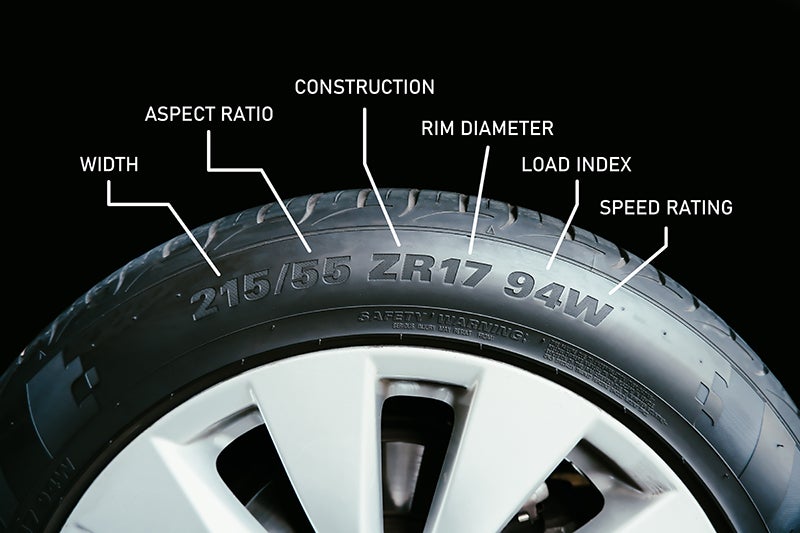
Understanding how your vehicle’s tires and wheels work is essential for safe driving, better handling, and long-term vehicle performance. While many drivers focus only on tire tread and air pressure, the entire wheel and tire assembly is made up of several interconnected components that work together every time your vehicle accelerates, brakes, turns, and travels down the road. At Weeks of Benton in Benton, IL, we know that properly maintained tires and wheels play an important role in your vehicle’s overall operation. From the tire bead that creates an airtight seal to the wheel hub that connects the assembly to your vehicle, every component serves a specific purpose. This detailed FAQ explains how tire and wheel parts work, what issues can develop, and how regular maintenance can help keep your vehicle performing properly. Frequently Asked Questions About Car Tires and Wheels How Do Tires and Wheels Work Together? A vehicle’s tire and wheel assembly is designed to support the vehicle’s weight, absorb road impacts, maintain traction, and transfer power from the engine to the pavement. The wheel provides the rigid structure that mounts to the vehicle, while the tire creates the contact surface between your vehicle and the road. When a tire is properly mounted, the tire bead locks securely onto the wheel rim. Air pressure inside the tire pushes outward against the tire structure, allowing it to maintain its shape and carry the vehicle’s load. The wheel then transfers forces through the hub, wheel bearings, and suspension components. A properly functioning tire and wheel system helps provide: Improved steering control and handling Reliable braking performance Better fuel efficiency Reduced vibration while driving Increased tire lifespan Enhanced ride comfort What Are the Main Parts of a Tire? A tire is made up of multiple layers and components that work together to provide durability, flexibility, and traction. Each section has an important role in maintaining performance. Tire Tread The tire tread is the outer portion of the tire that contacts the road surface. The tread pattern is designed to move water away from the tire, improve traction, and provide stability in different driving conditions. Common tread problems include: Uneven wear caused by poor alignment or improper inflation Excessive wear from high mileage Cracking caused by age and weather exposure Reduced traction when tread depth becomes too low Regular tire inspections help identify tread problems before they affect driving safety. Tire Sidewall The sidewall is the area between the tread and the wheel rim. It provides structural support while allowing the tire to flex during normal driving. The sidewall contains important information, including: Tire size Load rating Speed rating Manufacturer information Recommended specifications Sidewall damage can be serious because this area supports much of the tire’s structural integrity. Cuts, bubbles, cracks, or punctures on the sidewall should always be inspected. Tire Bead The tire bead is the reinforced edge of the tire that sits against the wheel rim. It contains strong steel wires that help secure the tire to the wheel. The bead is responsible for: Creating an airtight seal Keeping the tire mounted during driving Maintaining proper positioning on the wheel Problems with the tire bead can result in air leaks, poor tire seating, or tire separation. Tire Belts and Internal Layers Inside the tire are several layers designed to provide strength and stability. Steel belts help reinforce the tread area, while fabric layers help maintain the tire’s shape. These internal components help with: Improved handling Reduced tread movement Better durability Increased resistance to road impacts Internal tire damage may not always be visible, which is why professional inspections are important after major impacts. What Are the Different Parts of a Wheel? The wheel is more than just the visible metal component behind your tire. It includes several parts that work together to attach the tire assembly to your vehicle. Wheel Rim The rim is the outer structure of the wheel where the tire mounts. It supports the tire bead and helps maintain the tire’s shape. Wheel damage can occur from: Pothole impacts Road debris Accidents Corrosion Improper installation A bent rim can create vibrations, air leaks, and uneven tire wear. Wheel Spokes Spokes connect the outer rim area to the center portion of the wheel. They provide structural support while allowing manufacturers to design different wheel styles and appearances. Damaged or cracked spokes can weaken the wheel structure and should be inspected immediately. Common spoke issues include: Cracks from impacts Corrosion around attachment points Damage from improper wheel installation Wheel Hub The wheel hub is the central component that connects the wheel assembly to the vehicle. It allows the wheel to rotate smoothly while attaching securely to the suspension system. The hub works with: Wheel bearings Axle components Brake components Wheel studs A damaged wheel hub can create noise, vibration, steering concerns, or uneven tire wear. Wheel Bearings Wheel bearings allow the wheel and hub assembly to rotate smoothly with minimal friction. They support vehicle weight while handling forces created during acceleration, braking, and turning. Signs of wheel bearing problems may include: Humming or grinding noises Steering looseness Uneven tire wear Vibration while driving Ignoring worn wheel bearings can lead to additional suspension and wheel-related problems. What Are Lug Nuts and Wheel Studs? Lug nuts and wheel studs secure the wheel to the vehicle. They create the clamping force needed to keep the wheel properly attached while driving. Lug Nuts Lug nuts thread onto wheel studs and hold the wheel firmly against the hub. Proper lug nut maintenance includes: Checking for proper torque Inspecting for damaged threads Replacing worn or damaged lug nuts Ensuring all lug nuts are installed correctly Loose lug nuts can cause wheel movement, vibration, and serious safety concerns. Wheel Studs Wheel studs are threaded metal components attached to the vehicle hub. Lug nuts tighten onto these studs to secure the wheel. Wheel stud problems can include: Stripped threads Broken studs Corrosion Improper installation damage A damaged wheel stud should be repaired before reinstalling the wheel. What Is a Valve Stem and Why Is It Important? The valve stem allows air to enter and exit the tire. It includes a valve core that controls airflow and helps maintain proper tire pressure. Valve stem problems may cause: Slow air leaks Low tire pressure warnings Difficulty maintaining inflation Tire performance issues Rubber valve stems can deteriorate over time due to weather exposure. Many tire professionals recommend inspecting or replacing valve stems during tire service. What Is a TPMS Sensor? A Tire Pressure Monitoring System (TPMS) sensor monitors tire pressure and alerts drivers when inflation levels become too low. A TPMS system helps drivers: Maintain proper tire pressure Reduce unnecessary tire wear Improve fuel efficiency Identify potential tire issues TPMS sensors may require replacement when batteries fail or when the sensor becomes damaged. How Does Tire Pressure Affect Vehicle Performance? Proper tire pressure is one of the most important parts of tire maintenance. Underinflated or overinflated tires can affect handling, comfort, and tire lifespan. Incorrect tire pressure can lead to: Faster tread wear Reduced traction Poor fuel economy Increased heat buildup Uneven tire wear Drivers should check tire pressure regularly and follow the manufacturer’s recommended specifications. What Causes Uneven Tire Wear? Uneven tire wear often indicates an issue with tire maintenance, alignment, suspension components, or inflation. Common wear patterns include: Center wear: Often caused by overinflation Outer edge wear: Often caused by underinflation One-sided wear: Often related to alignment issues Cupping or scalloping: May indicate suspension or balance problems Regular tire rotations, inspections, and wheel alignments help promote even wear. Why Is Wheel Alignment Important? Wheel alignment adjusts the angle of the wheels so they meet the road correctly. Proper alignment improves handling and helps tires wear evenly. Signs your vehicle may need an alignment include: Vehicle pulling to one side Steering wheel vibration Uneven tire wear Steering wheel not returning properly after turns Alignment issues can develop from potholes, collisions, worn suspension components, or normal driving conditions. What Is Tire Balancing? Tire balancing ensures the weight of the tire and wheel assembly is evenly distributed. Small weights are attached to the wheel to correct imbalances. Proper tire balancing helps reduce: Steering wheel vibration Uneven tire wear Excess stress on suspension components Irregular tire performance A vehicle may need tire balancing after installing new tires, repairing a tire, or noticing vibration at certain speeds. How Often Should Tires and Wheels Be Maintained? Regular maintenance helps identify problems early and extends the life of your tire and wheel components. Important maintenance services include: Checking tire pressure regularly Rotating tires according to manufacturer recommendations Inspecting tread depth Checking wheel alignment Balancing tires when needed Inspecting valve stems and TPMS sensors Checking lug nut torque after wheel installation Inspecting wheels for cracks or damage What Can Damage Tires and Wheels? Tires and wheels experience constant exposure to road conditions, weather, and driving forces. Several issues can affect their performance. Common causes of damage include: Potholes and road impacts Improper tire pressure Road debris Extreme temperatures Lack of maintenance Incorrect installation Worn suspension components Routine inspections can help identify these concerns before they become larger repairs. How Can Drivers Extend the Life of Their Tires and Wheels? Proper care can help maintain reliable performance and prevent premature replacement. Drivers can protect their tires and wheels by: Maintaining recommended tire pressure Avoiding harsh impacts when possible Scheduling regular tire rotations Keeping wheels clean to prevent corrosion Addressing vibrations or noises quickly Having tires inspected professionally Schedule Tire and Wheel Service at Weeks of Benton Your tires and wheels are essential safety components that affect every mile you drive. Understanding how each part works, from the tire bead and valve stem to the wheel hub and lug nuts, helps you recognize potential issues and maintain your vehicle properly. Weeks of Benton in Benton, IL, provides professional automotive service to help drivers keep their vehicles operating smoothly. Whether you need a tire inspection, wheel service, balancing, alignment, or routine maintenance, our team is ready to assist with your vehicle’s needs. Schedule service for your vehicle today.